Let me say something that not enough people in the fertility space are willing to say out loud.
If you have both hydrosalpinx and endometriosis, and someone is recommending IVF as your next step without addressing those conditions first — you need to stop and ask more questions.
Because here’s the truth: IVF in the presence of untreated hydrosalpinx and endometriosis is very likely to fail. And not just once.
What Is Hydrosalpinx?
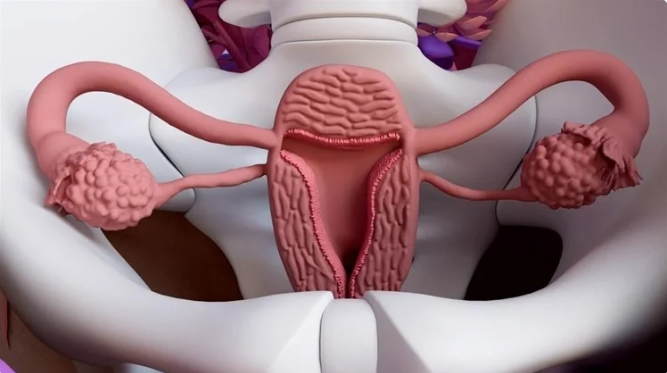
Hydrosalpinx is a condition where one or both fallopian tubes become blocked and filled with fluid. That fluid is not neutral. Research has shown that hydrosalpinx fluid is toxic to embryos and hostile to implantation. It can leak back into the uterine cavity, creating an environment where even the healthiest embryo struggles to survive.
Add Endometriosis to the Picture
Endometriosis brings its own set of implantation challenges. Chronic inflammation, altered hormone signalling, and a compromised uterine environment all make it harder for an embryo to implant and thrive — even when egg quality is good. When both conditions are present at the same time, the odds become even more stacked against a successful transfer. (We explain the wider reasons cycles fail in Why IVF Failed — And What Nobody Told You After.)
So Why Do Some Clinics Still Recommend IVF?
That is a question worth sitting with. Sometimes it is a matter of incomplete assessment. Sometimes the focus stays narrowly on egg retrieval and embryo creation without fully evaluating the uterine environment. And sometimes — difficult as it is to say — patients are moved forward before they are truly ready.
The result? Failed cycle after failed cycle. Emotional devastation. Financial drain. And a woman left wondering what she did wrong, when the problem was never her fault to begin with.
What Should Happen First?
Before IVF is even considered, hydrosalpinx needs to be treated. This typically means surgical intervention — either removing the affected tube or blocking it to prevent toxic fluid from reaching the uterus. Only after that should IVF be discussed.
For endometriosis, thorough evaluation of disease stage, location, and impact on uterine receptivity must be part of the preparation conversation. (See What Women with Endometriosis Need to Know Before IVF.)
At Ohemaa Fertile Home, we will never advise a woman with untreated hydrosalpinx and endometriosis to proceed with IVF knowing it is likely to fail. That is not care. That is false hope — and our clients deserve better than that.
If you have been diagnosed with either or both of these conditions and IVF has been recommended, please come and speak with us first. Let’s make sure your body is truly ready — and that your investment in this journey is protected.
Related Reading
At Ohemaa Fertile Home, we provide guided herbal fertility support rooted in three generations of traditional knowledge. We serve women across Ghana, Nigeria, and the diaspora. Reach out to us on WhatsApp for a free, confidential consultation.