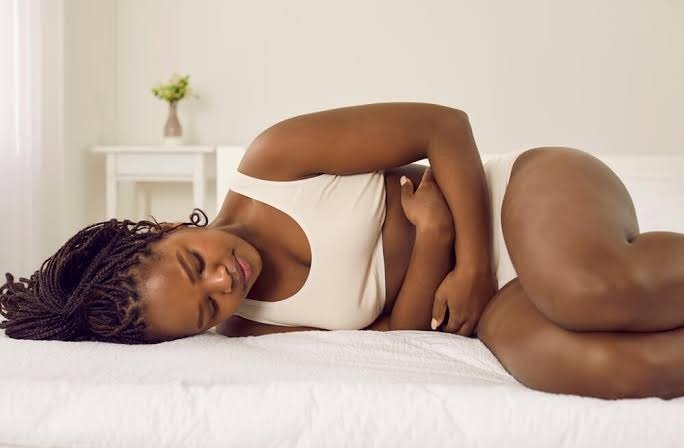
“It’s just cramps.” “Every woman goes through it.” “It will pass.”
These are the words millions of women hear — from their mothers, their aunties, their friends, even their doctors. And so they endure. Month after month, they fold themselves in two, press hot water bottles to their stomachs, swallow painkillers, and carry on.
But here is what no one told them: severe period pain is not normal. It is a signal. And ignoring that signal has a cost.
What Is Actually Normal During Menstruation?
Mild discomfort during the first one or two days of your period — a dull ache, a slight heaviness — can be a normal part of the hormonal process. Your uterus is contracting to shed its lining, and some sensation is expected. But pain that:
- Forces you to stop your daily activities
- Requires you to take painkillers every single month
- Causes vomiting, dizziness, or fainting
- Lasts more than two days
- Gets worse over time rather than better
This is not normal. This is your body asking for help.
Why Do We Normalise It?
Because our mothers did. Because our grandmothers did. Because we grew up watching the women around us suffer in silence and call it strength.
In many African homes, a girl’s first experience of severe period pain is met with a cup of ginger tea, a hot compress, and the words “you will get used to it.” And she does. She gets used to suffering. She learns that pain is simply part of being a woman. It is not.
What Could Be Behind the Pain?
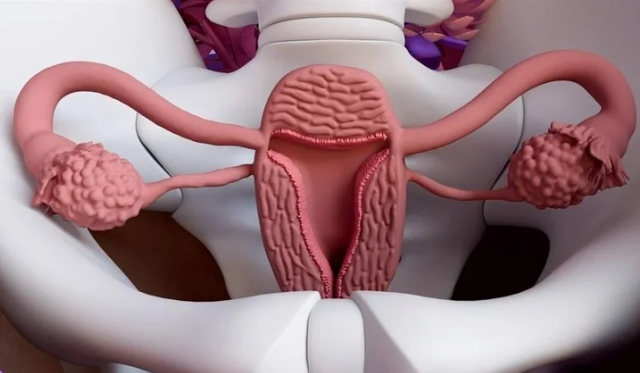
Severe period pain — known medically as dysmenorrhoea — can be a symptom of underlying conditions that, left unaddressed, can affect a woman’s fertility and overall health. These include:
Endometriosis — where tissue similar to the uterine lining grows outside the uterus, causing severe pain, inflammation, and in many cases, fertility challenges.
Adenomyosis — where the uterine lining grows into the muscular wall of the uterus. This is one of the most underdiagnosed conditions in African women and a leading cause of painful, heavy periods.
Fibroids — non-cancerous growths in or around the uterus that can cause extreme cramping, heavy bleeding, and pressure.
PCOS (Polycystic Ovarian Syndrome) — a hormonal condition that disrupts ovulation and can cause irregular, painful cycles.
Pelvic Inflammatory Disease (PID) — an infection of the reproductive organs that causes pelvic pain and, if untreated, can lead to scarring and infertility.
Every one of these conditions is treatable. But only if it is found. And it can only be found if a woman seeks a proper diagnosis instead of simply enduring the pain.
A Message to Mothers
If your daughter is bent over in pain every month, please do not tell her it is normal. Do not hand her a painkiller and send her to school. Sit with her. Take her seriously. Seek a professional assessment.
The pain she is experiencing at 14 or 17 or 22 may be the earliest sign of a condition that, if addressed now, could protect her fertility for years to come. If left unaddressed, it may be the reason she struggles to conceive at 30.
What we call “just cramps” today could be the reason she cries for a child tomorrow.
What You Should Do
If you or your daughter experiences severe period pain, here are the steps to take:
- Track your cycle. Note when the pain starts, how long it lasts, and how severe it is. Note any other symptoms — heavy bleeding, clotting, nausea, pain during or after sex.
- See a healthcare professional. Ask specifically for an evaluation of your reproductive health. Request a pelvic ultrasound if necessary. Do not accept “it is normal” as an answer if the pain is disrupting your life.
- Do not wait. Early diagnosis of conditions like endometriosis and adenomyosis significantly improves treatment outcomes — both for pain management and for future fertility.
- Seek holistic support. Alongside medical diagnosis, herbal and food-based approaches can play a powerful role in reducing inflammation, regulating hormones, and supporting the womb environment. At Ohemaa Fertile Home, we have walked alongside many women whose journey began with years of “just cramps” — and ended with healing, and in many cases, a child.
You Deserve Better Than Endurance
Pain is not a rite of passage. It is not a sign of strength. It is not something every woman must simply accept.
Your cycle should not define how many days of every month you cannot function. Your body was not designed to punish you.
If something does not feel right — it probably is not. Trust that feeling. Seek answers. Demand to be heard. And remember: your pain matters.
At Ohemaa Fertile Home, we provide structured herbal fertility support rooted in three generations of traditional knowledge and guided reproductive wellness care. We support women across Ghana, Nigeria, and the diaspora with personalised consultations designed around their unique fertility journey. Reach out to us on WhatsApp if you need help.