You were told it was impossible. We have seen it happen — again and again.
If you have been diagnosed with blocked fallopian tubes, there is a very good chance that someone — a doctor, a specialist, perhaps even a well-meaning family member — told you that your only option was IVF. That natural conception was out of the question. That nothing could open those tubes. That you should accept it and move on to assisted reproduction.
And perhaps you believed them. Because they were the experts. Because they had the degrees. Because who were you to question what the medical establishment had decided was true?
But here is what I want you to consider — medicine is not finished. Knowledge is not complete. And what was believed to be impossible yesterday is being reconsidered today. It is time to unlearn. And it is time to relearn.
First — What Are Blocked Fallopian Tubes?
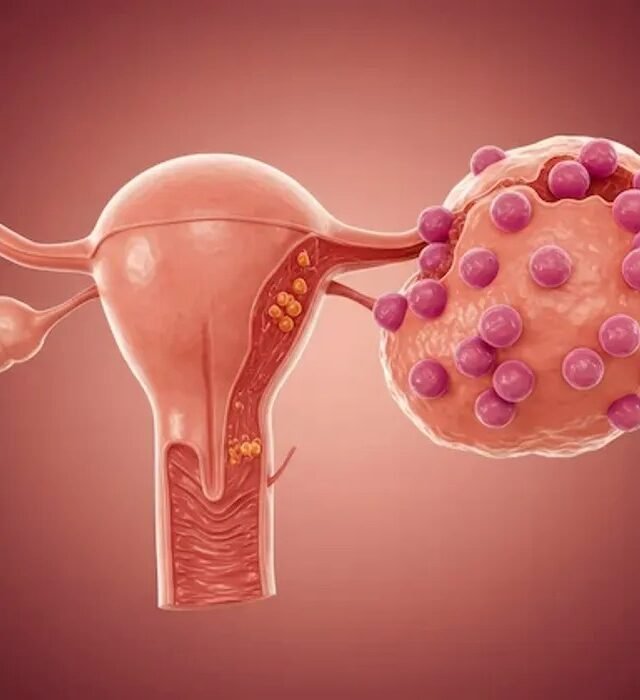
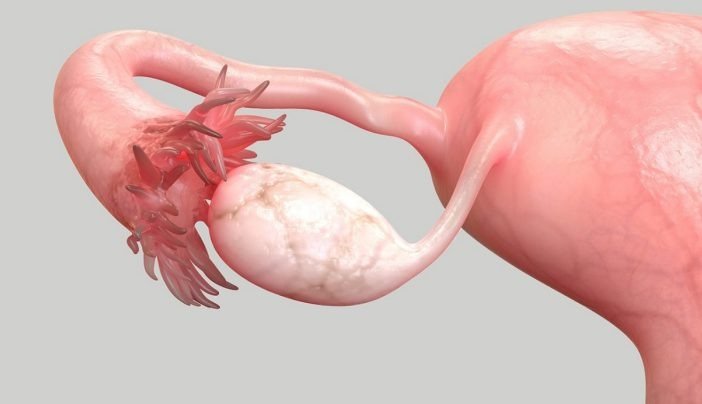
The fallopian tubes are the two slender channels that connect the ovaries to the uterus. When an egg is released during ovulation, it travels down the fallopian tube — and it is here, in the tube, that fertilisation typically occurs. The fertilised egg then continues its journey to the uterus for implantation.
When the tubes are blocked — partially or completely — this journey cannot happen. Sperm cannot reach the egg. The egg cannot reach the uterus. Natural conception becomes impossible at the point of blockage.
Blocked tubes are one of the leading causes of female infertility. They are responsible for approximately 25 to 35 percent of female infertility cases.
What Causes Blockages?
Understanding the cause of a blockage is critical — because the cause directly influences whether and how it can be addressed.
Pelvic Inflammatory Disease (PID) is one of the most common causes. PID is an infection of the reproductive organs — often caused by sexually transmitted infections like chlamydia or gonorrhoea — that, if not treated promptly and completely, causes inflammation and scarring in the fallopian tubes.
Endometriosis — where tissue similar to the uterine lining grows outside the uterus — can cause adhesions and scarring that block or distort the tubes.
Previous pelvic or abdominal surgery — including caesarean sections, appendix removal, or other abdominal procedures — can cause scar tissue that binds and blocks the tubes.
Fibroids — particularly those growing near the openings of the tubes — can cause compression or blockage.
Hydrosalpinx — a specific type of blockage where the tube becomes filled with fluid, causing it to swell and seal. This is typically the result of a previous infection.
Previous ectopic pregnancy — a pregnancy that implants in the tube rather than the uterus — can cause damage and scarring to the affected tube.
Why the Conversation Has Been So Limited
The standard medical response to blocked tubes has, for many years, been binary: surgical intervention or IVF. And while both of these have their place and have helped many women, they are not the only options available — and they are not accessible or appropriate for every woman.
The limitation of this conversation is not malicious. It is a reflection of the framework through which conventional medicine approaches the body — as a system of parts to be repaired or bypassed, rather than a living system capable of healing when supported correctly.
Herbal and integrative approaches to blocked tubes have existed for centuries across African, Asian, and other traditional medicine systems. The dismissal of these approaches — largely because they have not been subjected to the same large-scale clinical trials as pharmaceutical interventions — does not mean they do not work. It means they have not yet been fully studied by the systems that control what is considered proven.
The women whose tubes opened — the women who conceived naturally after being told it was impossible — they are the evidence.
What Herbal Treatment Can Address
The approach to blocked tubes in herbal fertility medicine is not a single herb or a simple remedy. It is a targeted, structured programme that addresses the underlying causes of the blockage — the inflammation, the infection history, the scar tissue formation, the lymphatic congestion — while simultaneously supporting the overall health of the reproductive system.
Anti-inflammatory herbs work to reduce the chronic inflammation that often underlies tube blockage — particularly in cases related to endometriosis, PID history, or general pelvic inflammatory processes. Reducing inflammation can help restore normal tissue function and mobility.
Circulatory and lymphatic support improves blood flow and lymphatic drainage in the pelvic region. Poor circulation contributes to congestion, adhesion formation, and tissue stagnation. Improved circulation supports the body’s natural processes of tissue repair and maintenance.
Enzyme therapy through specific botanical preparations has been used in traditional medicine to address scar tissue and adhesions. Certain plant compounds have demonstrated the ability to support the body’s own enzymatic processes — which naturally break down excess fibrin and scar tissue over time.
Infection history management — addressing residual inflammatory markers from past infections that may be contributing to ongoing tissue damage.
Hormonal support — because hormonal imbalances, particularly those related to oestrogen dominance and progesterone deficiency, contribute to the conditions that create and sustain blockages.
Castor oil therapy — used as part of traditional herbal practice, castor oil applied to the pelvic region through specific techniques has a long history of use in supporting pelvic circulation, reducing inflammation, and supporting the body’s detoxification processes.
What the Results Show
At Ohemaa Fertile Home, we have worked with women who came to us with confirmed blocked tube diagnoses — verified by HSG. Women who had been told IVF was their only option.
Among those who committed to the full programme — who took the preparations consistently, made the dietary changes, followed the protocols, and gave the treatment the time it required — a meaningful number went on to have confirmed open tubes on repeat HSG testing. And among those — many conceived naturally.
We do not make this claim lightly. We make it because we have seen it. Because the women who experienced it are real, and their stories are documented.
We are also honest that this does not happen for every woman. The success of herbal treatment for blocked tubes depends on several factors:
- The type and cause of the blockage
- The severity — partial blockages respond better than complete bilateral blockages
- The length of time the blockage has been present
- The overall health of the reproductive system
- The woman’s commitment to the full programme
Unlearn This
“Blocked tubes cannot be unblocked naturally.” This statement treats the body as a static machine rather than a living, dynamic system capable of healing and change when given the right support.
“Herbal medicine has no evidence.” Evidence exists. It exists in the peer-reviewed literature on specific botanical compounds. It exists in the centuries of traditional practice that produced these protocols. And it exists in the lived experiences of women whose lives changed because they were willing to consider what the mainstream had dismissed.
“IVF is your only option.” IVF is a valid option. It has given many women their children. But it is not the only option — and for many women, particularly those for whom IVF is financially inaccessible, emotionally draining after multiple failed cycles, or simply not the path they want to take, there are other roads worth exploring.
Relearn This
Your body is not broken. It is responding to something — an old infection, an inflammatory process, a history of scar tissue formation — and that something can be addressed.
Healing is not always instant. The body works on its own timeline. Three months of consistent, targeted support is not a long time to ask of a body that has been carrying this condition for years.
Traditional knowledge is not inferior to modern knowledge. It is different knowledge. And in the area of reproductive health, it has been helping women conceive for far longer than IVF has existed.
You have more options than you have been told.
Before You Give Up — Talk to Us
If you have been diagnosed with blocked tubes and told that natural conception is not possible — please reach out before you accept that as your final answer.
Come to us with your HSG results. Tell us your history. Let us look at what type of blockage you have, what may have caused it, and whether our programme is something that could help your specific situation.
We will be honest with you. If we do not believe our approach is appropriate for your case, we will tell you that too. We do not offer false hope — we offer informed hope, grounded in knowledge and in results.
But we will never tell you to stop asking questions. And we will never tell you that your only path is the one someone else decided for you.
At Ohemaa Fertile Home, we provide structured herbal fertility support rooted in three generations of traditional knowledge and guided reproductive wellness care. We support women across Ghana, Nigeria, and the diaspora with personalised consultations designed around their unique fertility journey. Reach out to us on WhatsApp if you need help.