You did everything right. You saved the money. You went through the injections. You endured the scans, the procedures, the waiting. You allowed yourself to hope — carefully, quietly, just enough. And then the call came.
It did not work.
For many women, a failed IVF cycle is one of the most devastating experiences of their lives. Not just because of the grief — but because of the silence that follows. Nobody sits down with you and explains what happened. Nobody tells you why. You are handed a follow-up appointment date and sent home to carry the weight of it alone.
This article is what you deserved to hear after that call.
First — A Failed IVF Cycle Does Not Mean You Cannot Conceive
This is the most important thing to understand.
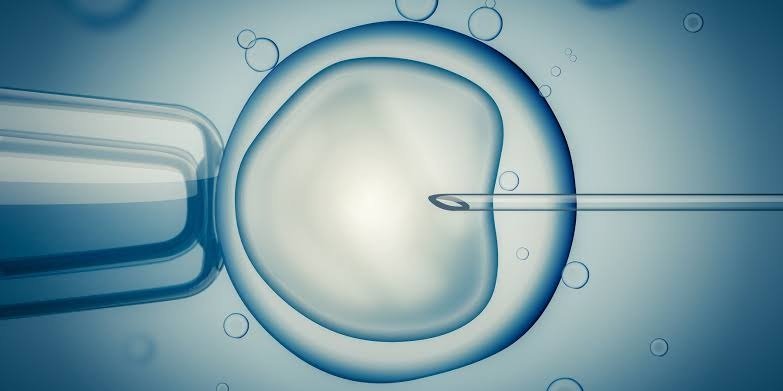
IVF is not a guaranteed solution. It is a process — and like any process, it can fail for many reasons. A failed cycle does not mean your body is incapable of carrying a pregnancy. In many cases, it means that something specific was not addressed before or during the cycle — and that something can be identified and corrected.
The women who eventually succeed after failed IVF cycles are often the ones who used the experience to understand their bodies more deeply — and who addressed the underlying factors that contributed to the failure before trying again.
Why IVF Fails — The Honest Picture
IVF can fail at several stages, and the reasons are often multiple and interconnected.
Poor Egg Quality
Even when eggs are retrieved successfully, their quality determines whether fertilisation and healthy embryo development can occur. Egg quality is influenced by age, hormonal environment, nutritional status, oxidative stress, and mitochondrial function. Poor egg quality is one of the most common reasons IVF cycles fail — and it is something that can often be improved in the months before a subsequent attempt.
Poor Sperm Quality
Male factor issues are frequently overlooked in the IVF process. Even when sperm are used in the procedure, sperm DNA fragmentation — damage to the genetic material within the sperm — can result in fertilisation failure, poor embryo quality, or early pregnancy loss. A standard semen analysis does not detect sperm DNA damage. This test is rarely offered routinely but can be critical in understanding repeated IVF failure.
Implantation Failure
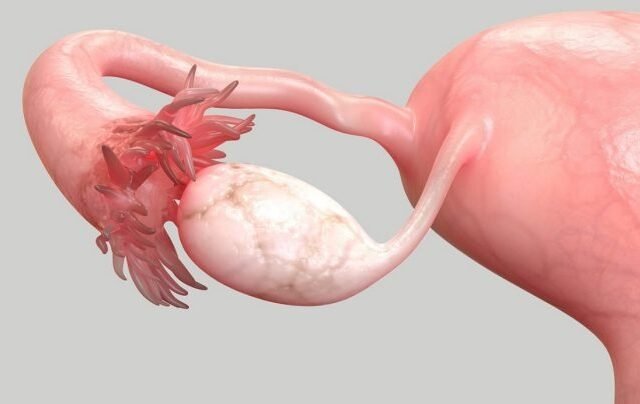
An embryo can be of excellent quality and still fail to implant. This happens when the uterine environment is not receptive — meaning the lining is not thick enough, not well-supplied with blood, or affected by inflammation, fibroids, polyps, adenomyosis, or immune factors that prevent the embryo from attaching successfully.
Hormonal Imbalances
The hormonal environment must be precisely calibrated for IVF to succeed. Thyroid dysfunction, elevated prolactin, progesterone insufficiency, and insulin resistance can all interfere with the process — and many of these are not routinely screened for as part of standard IVF preparation.
Immune Factors
In some women, the immune system responds to an embryo as if it were a foreign invader — attacking rather than accepting it. Conditions like antiphospholipid syndrome and natural killer cell abnormalities are among the immune factors linked to recurrent implantation failure. These require specialist investigation and are frequently missed.
Chromosomal Abnormalities
Some embryos carry chromosomal errors that prevent development. This becomes more common as women age and is one reason why IVF success rates decline with age. However, it is not the only reason — and assuming age is the cause without investigating other factors does many women a disservice.
The Uterine Environment
Conditions like adenomyosis, submucosal fibroids, uterine polyps, and Asherman’s syndrome create a hostile or structurally compromised uterine environment that reduces the chance of successful implantation — regardless of embryo quality.
What Is Often Not Addressed Before IVF
One of the most common patterns we see at Ohemaa Fertile Home is women who went into IVF without a full assessment of their reproductive environment.
The standard IVF workup focuses primarily on ovarian reserve, hormone levels for stimulation purposes, and basic uterine assessment. But many of the factors that determine whether an embryo successfully implants and develops are not part of routine pre-IVF screening. Questions that are often not asked before an IVF cycle include:
- Has the uterine lining been assessed for thickness, pattern, and blood flow at the right time in the cycle?
- Has adenomyosis been specifically investigated and ruled out?
- Has sperm DNA fragmentation been tested?
- Have immune factors been evaluated?
- Has the woman’s nutritional status — particularly vitamin D, folate, iron, and omega-3 levels — been assessed and optimised?
- Has the inflammatory environment of the pelvis been considered?
- Has the thyroid been fully evaluated, not just TSH but T3 and T4?
For many women, addressing these factors in the months before an IVF attempt — or between cycles — makes a meaningful difference to outcomes.
The Role of the Womb Environment
IVF focuses on creating a healthy embryo. But an embryo, however perfect, cannot succeed in a hostile environment.
Think of it this way. You can plant the healthiest seed in the world — but if the soil is poor, compacted, inflamed, or lacking nutrients, that seed will not grow.
The womb is the soil. And preparing the womb environment — reducing inflammation, improving blood flow, supporting the uterine lining, and addressing structural issues — is just as important as the quality of the embryo itself.
This is where herbal and holistic fertility support has a significant role to play — not as a replacement for IVF, but as preparation for it, and as support between cycles.
Between Cycles — What You Can Do
If you have had a failed IVF cycle and are considering trying again, the period between cycles is one of the most important and most underused opportunities in the fertility journey.
Investigate what went wrong. Ask your clinic specifically why they believe the cycle failed. Request a detailed review. If the answers are vague, seek a second opinion.
Address egg quality. The three to four months before egg retrieval are the most important window for improving egg quality. This means optimising nutrition — particularly coenzyme Q10, vitamin D, omega-3 fatty acids, folate, and antioxidants — reducing oxidative stress, and supporting mitochondrial function.
Test for sperm DNA fragmentation. If this has not been done, it should be done before the next cycle. If fragmentation is high, it can be significantly improved through lifestyle changes and targeted antioxidant support over two to three months.
Assess the uterine environment thoroughly. Request a hysteroscopy to look inside the uterine cavity. Ensure adenomyosis has been properly investigated. Check for polyps, fibroids, or scarring that may have been missed.
Support the immune environment. If you have had multiple failed cycles with good quality embryos, immune investigation is important.
Consider herbal and nutritional support. At Ohemaa Fertile Home, we have worked with women who came to us after failed IVF cycles — supporting their hormonal environment, improving their uterine health, addressing inflammation, and preparing their bodies for the next attempt. Several of these women went on to successful pregnancies — through IVF and naturally.
A Word on Natural Conception After Failed IVF
Something that surprises many women — and that is rarely mentioned by fertility clinics — is that natural conception can occur after failed IVF cycles.
This happens because the process of investigating and preparing for IVF sometimes reveals and addresses issues that had been preventing conception naturally. And because the hormonal support given during IVF can temporarily improve the conditions for conception in the cycles that follow.
We have seen women at Ohemaa Fertile Home who conceived naturally in the months after failed IVF — once their underlying reproductive environment was properly supported.
This is not a promise. It is not guaranteed. But it is real. And it is worth knowing.
You Are Not at the End of Your Road
A failed IVF cycle can feel like the end. Like you have used your last option. Like your body has run out of chances. It is not the end.
It is information. Painful, expensive, exhausting information — but information nonetheless. Information about what your body needs. Information about what was not yet addressed. Information that, used wisely, can change the outcome of the next attempt.
You deserve to understand what happened. You deserve a thorough review. You deserve support that looks at your whole body — not just your embryos. And you deserve someone who will walk with you through whatever comes next.
At Ohemaa Fertile Home, we provide structured herbal fertility support rooted in three generations of traditional knowledge and guided reproductive wellness care. We support women across Ghana, Nigeria, and the diaspora with personalised consultations designed around their unique fertility journey. Reach out to us on WhatsApp if you need help.