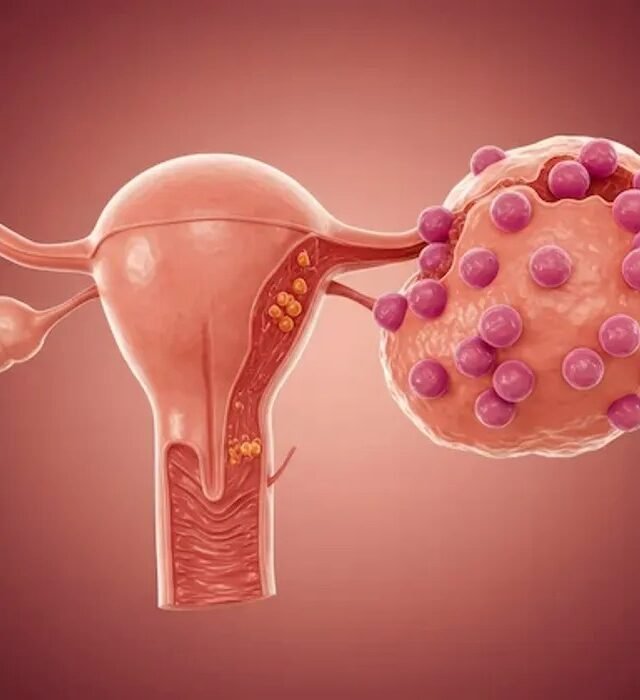
It only takes one sperm to fertilise an egg. But getting that one sperm to the right place at the right time is far more complex than most people realise.
This is one of the most common questions couples ask when they are trying to conceive — and one of the least honestly answered. The simple answer is technically correct. One sperm. One egg. One embryo.
But the reality of conception is far more nuanced than that. And understanding what actually happens between ejaculation and fertilisation will change how you think about male fertility entirely.
The Numbers Are Staggering — And the Odds Are Brutal
A healthy ejaculate contains between 15 million and 300 million sperm per millilitre. In a single ejaculation, a man may release anywhere from 40 million to over 500 million sperm cells.
That sounds like more than enough. And yet — of those hundreds of millions of sperm — only a few hundred will ever reach the fallopian tube where the egg waits. And of those few hundred, only one will successfully penetrate and fertilise the egg.
The journey from ejaculation to fertilisation is one of the most extraordinary and hostile journeys in nature. Understanding why so many sperm are needed — even though only one succeeds — is the key to understanding male fertility.
The Journey a Sperm Must Make
From the moment sperm enter the female reproductive tract, they face an extraordinary series of obstacles:
The vaginal environment is naturally acidic — designed to protect against infection. This acidity is hostile to sperm. The majority of sperm die within minutes of ejaculation simply from the acidic environment. Seminal fluid helps buffer this acidity temporarily, but the clock is already ticking.
The cervical mucus acts as a filter. At most times of the month, cervical mucus is thick and impenetrable — designed to block anything from entering the uterus. Only around the time of ovulation does it become thin, clear, and sperm-friendly. Sperm that arrive at the wrong time of the cycle cannot pass through at all.
The uterine cavity is not a straight path. Sperm must navigate the entire length of the uterus to reach the fallopian tubes — and there are two tubes. The sperm have no way of knowing which tube contains the egg. They divide and travel up both — meaning half are immediately heading in the wrong direction.
The fallopian tube is long, narrow, and lined with tiny hair-like structures called cilia that can work against the sperm’s direction of travel. Only the strongest, best-formed sperm with the most powerful swimming ability can complete this journey.
By the time sperm reach the egg — if they reach it at all — their numbers have been reduced from hundreds of millions to a few hundred at most.
What Does Sperm Count Actually Mean?
When a semen analysis refers to sperm count, it is measuring the concentration of sperm per millilitre of semen. The World Health Organisation defines a normal sperm count as at least 16 million sperm per millilitre — or at least 39 million sperm per ejaculation in total.
But sperm count is only one part of the picture. Three factors together determine the fertility potential of a semen sample:
Count — how many sperm are present. A low count reduces the statistical likelihood that any will reach the egg.
Motility — how well the sperm move. Sperm must be able to swim actively and progressively forward. Poor motility means sperm cannot complete the journey regardless of how many there are.
Morphology — the shape and structure of the sperm. Sperm with abnormal shapes are less able to penetrate and fertilise an egg.
All three parameters matter together.
Why Does It Take So Many Sperm if Only One Is Needed?
Nature over-produces dramatically to ensure that at least a few sperm have the possibility of succeeding. The sperm that eventually fertilises the egg is not just any sperm. It is the sperm that was strong enough, fast enough, and correctly formed enough to survive the entire journey. Conception is already a form of natural selection — even before a baby begins to develop.
What Affects Sperm Count and Quality?
Sperm quality is not fixed. It is directly influenced by lifestyle, health, and environment. Sperm have a production cycle of approximately 72 to 74 days — meaning that positive changes made today will produce measurable improvements within two to three months. Factors that reduce sperm quality:
- Heat — hot baths, saunas, laptops on the lap, tight underwear
- Alcohol — even moderate regular consumption reduces count, motility, and morphology
- Smoking — directly associated with reduced sperm count and DNA fragmentation
- Poor nutrition — deficiencies in zinc, selenium, folate, vitamin C, and vitamin E
- Chronic stress — suppresses testosterone production
- Obesity — disrupts hormonal balance and raises scrotal temperature
- Environmental toxins — pesticides, heavy metals, and industrial chemicals
How To Improve Sperm Count and Quality Naturally
Key nutrients for sperm health
Zinc — essential for sperm production and testosterone synthesis. Found in pumpkin seeds, beef, and eggs.
Selenium — protects sperm from oxidative damage. Just two or three Brazil nuts daily can support selenium levels significantly.
Vitamin C — improves motility and reduces DNA fragmentation. Found in citrus fruits, peppers, and leafy greens.
Coenzyme Q10 — supports sperm energy production and motility.
Folate — supports sperm DNA integrity. Found in leafy greens and legumes.
Omega-3 fatty acids — improve sperm morphology. Found in fatty fish, flaxseeds, and walnuts.
Lifestyle changes
- Switch to loose-fitting underwear
- Reduce or eliminate alcohol for at least three months
- Stop smoking
- Manage stress through rest and movement
- Maintain a healthy body weight
Herbal Support for Male Fertility
At Ohemaa Fertile Home, our MenCare programme addresses the nutritional, hormonal, and lifestyle foundations that healthy sperm production requires. Specific botanicals with documented benefits include:
Ashwagandha — improves sperm count, motility, and testosterone levels.
Tribulus terrestris — supports testosterone production and sperm parameters.
Maca root — associated with improved sperm count and motility.
Moringa — rich in antioxidants, zinc, selenium, and vitamin C that support sperm health.
The Most Important Thing a Man Can Do
Get tested.
A semen analysis is simple and non-invasive. Yet it remains the most avoided step — because of cultural stigma and the mistaken belief that a healthy man must have healthy sperm.
In approximately 40 to 50 percent of couples struggling to conceive, male factor infertility is a contributing cause. Getting tested is not a threat to manhood. It is an act of love — and the first step toward finding a real solution.
We Support Both of You
At Ohemaa Fertile Home, fertility is never just one person’s journey. Our MenCare programme is specifically designed to support male fertility through targeted herbal protocols, nutritional guidance, and lifestyle support.
Come to us together. Bring his semen analysis results alongside yours. Let us look at the full picture and build a programme that gives both of you the best possible foundation for conception.
Because it takes two. And both of you deserve support.
Related Reading
At Ohemaa Fertile Home, we provide guided herbal fertility support rooted in three generations of traditional knowledge. We serve women across Ghana, Nigeria, and the diaspora. Reach out to us on WhatsApp for a free, confidential consultation.