Every meal you eat is either building the body you want to conceive in — or making that harder.
This is not about blame. This is not about perfection. This is about understanding something that most fertility conversations completely leave out — that food is medicine, and what you put into your body every single day has a direct and measurable impact on your hormones, your eggs, your womb lining, and your ability to conceive.
At Ohemaa Fertile Home, food-based support is not an afterthought. It is a foundation. Because we have seen, again and again, that a woman whose nutrition is supporting her fertility responds better to treatment, heals faster, and conceives sooner than one whose nutrition is working against her.
How Food Affects Fertility
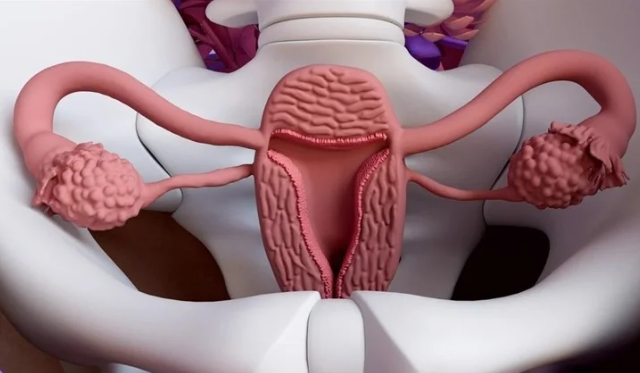
Your reproductive system does not operate in isolation. It is deeply connected to your hormonal system, your immune system, your gut, your blood sugar regulation, and your inflammatory response. Every one of these systems is directly influenced by what you eat.
Hormones are made from what you eat. Your body produces oestrogen, progesterone, testosterone, and every other reproductive hormone from the raw materials you consume — fats, proteins, vitamins, and minerals. If your diet is lacking these building blocks, your body cannot produce balanced hormones.
Inflammation disrupts reproduction. Conditions like endometriosis, adenomyosis, and PCOS all have chronic inflammation at their core. A diet high in processed foods, refined sugars, and inflammatory oils feeds that inflammation — making these conditions worse. A diet rich in anti-inflammatory foods does the opposite.
Blood sugar affects ovulation. Insulin resistance — which is closely linked to PCOS — is directly driven by diet. When blood sugar spikes repeatedly from high-carbohydrate and high-sugar diets, the body produces excess insulin, which disrupts the hormonal signals needed for ovulation.
Gut health affects oestrogen. An unhealthy gut affects the body’s ability to metabolise and eliminate excess oestrogen. When oestrogen accumulates — a condition called oestrogen dominance — it can cause heavy periods, fibroids, endometriosis, and difficulty conceiving.
Nutrient deficiencies impair egg quality. Egg quality is not fixed. It is influenced by the nutritional environment in which eggs develop over the three to four months before ovulation. A diet lacking in specific nutrients directly compromises egg quality.
Foods That Support Fertility
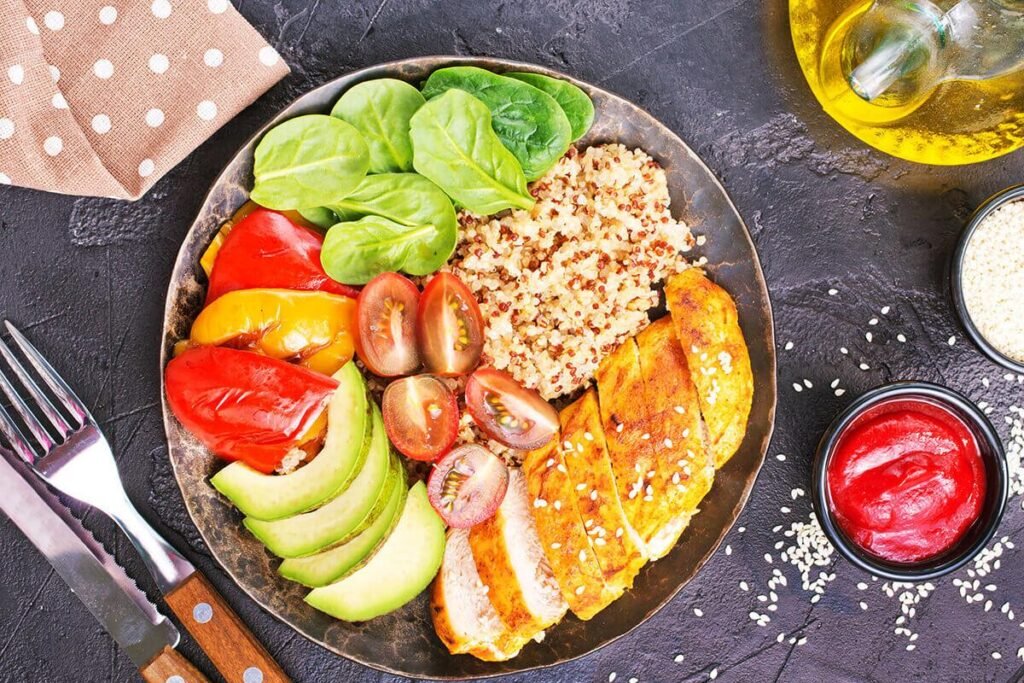
Healthy fats are essential for hormone production. Avocado, olive oil, coconut oil, fatty fish like salmon and mackerel, nuts, and seeds provide the fatty acid foundations that the body uses to produce reproductive hormones. Do not fear fat — fear the wrong kinds of fat.
Leafy green vegetables — spinach, ugwu (pumpkin leaves), bitter leaf, moringa — are rich in folate, iron, calcium, and antioxidants. Folate is critical for healthy egg development and for preventing neural tube defects in early pregnancy. These vegetables also support liver function, which is responsible for clearing excess hormones from the body.
Colourful vegetables and fruits provide antioxidants that protect eggs and sperm from oxidative damage. The brighter and more varied your plate, the broader your antioxidant protection. Think tomatoes, peppers, carrots, sweet potatoes, berries, and citrus fruits.
Legumes and whole grains provide fibre that supports gut health and helps regulate blood sugar. They are also rich in plant-based protein, zinc, and B vitamins — all important for reproductive health.
Eggs are one of the most complete fertility foods available. Rich in choline — which supports egg quality and fetal brain development — as well as protein, vitamin D, and omega-3 fatty acids.
Seeds — particularly pumpkin seeds, flaxseeds, and sesame seeds — are rich in zinc, selenium, and lignans that support hormonal balance. Seed cycling — incorporating specific seeds at different phases of the menstrual cycle — is a practice that many women find helpful for cycle regulation.
Fermented foods — natural yoghurt, kefir, fermented locust beans — support gut health and the healthy metabolism of hormones.
Foods That Work Against Fertility
Refined sugar and sweetened drinks spike blood sugar and insulin levels, feeding insulin resistance and hormonal disruption. This includes sodas, juices, sweetened teas, and foods made with white sugar and white flour.
Processed and packaged foods are typically high in refined carbohydrates, unhealthy fats, and artificial additives — all of which increase inflammation and disrupt hormonal balance.
Excessive alcohol impairs liver function — which directly affects the body’s ability to process and clear hormones. It also reduces zinc levels, which are critical for both egg quality and sperm production.
Excessive caffeine has been associated in research with reduced fertility, particularly at high doses. One to two cups of coffee per day is generally considered moderate — but excessive consumption is worth addressing.
Refined vegetable oils — particularly those high in omega-6 fatty acids, like sunflower oil and corn oil — contribute to inflammation when consumed in excess. Replacing these with olive oil or coconut oil for cooking is a simple change with meaningful impact.
Trans fats — found in many fried and packaged foods — are directly linked to ovulatory infertility and should be eliminated from the diet of any woman trying to conceive.
Specific Nutrients Every Woman Trying to Conceive Needs
Folate (Vitamin B9) — critical for egg quality and healthy early pregnancy. Found in leafy greens, legumes, and eggs. A supplement is also recommended for women actively trying to conceive.
Zinc — essential for ovulation, egg quality, and hormone production. Found in pumpkin seeds, beef, eggs, and legumes. Zinc deficiency is common in African diets and directly impacts fertility.
Vitamin D — acts as a hormone in the body and plays a direct role in reproductive function. Deficiency is extremely common and is linked to PCOS, endometriosis, and poor fertility outcomes. Get your levels tested.
Iron — essential for healthy ovulation and for building the uterine lining. Heavy periods — common in women with adenomyosis and fibroids — frequently lead to iron deficiency, which in turn impairs fertility.
Omega-3 fatty acids — reduce inflammation, support hormone production, improve egg quality, and support the development of the embryo in early pregnancy. Found in fatty fish, flaxseeds, chia seeds, and walnuts.
Magnesium — supports progesterone production, reduces menstrual pain and cramping, and regulates blood sugar. Many women are deficient without knowing it.
Selenium — a powerful antioxidant that protects eggs and sperm from oxidative damage. Found in Brazil nuts, seafood, and eggs.
Food as Part of Your Fertility Programme
At Ohemaa Fertile Home, nutritional guidance is woven into every treatment programme. We do not simply hand you herbs and send you home. We look at the whole picture — what you are eating, how you are living, what your body needs — and we build a programme that works on every level.
Because the truth is, herbs alone cannot do what herbs combined with the right nutritional foundation can do. Food is not separate from your treatment. Food is part of your treatment.
Start With One Change
If reading this article has felt overwhelming — if you are not sure where to begin — start with one change.
Replace your cooking oil with olive or coconut oil this week. Or add a handful of pumpkin seeds to your breakfast. Or swap your afternoon soda for water with lemon.
One change leads to another. Small, consistent improvements to your nutrition compound over time — and over the three to four months that matter most for egg quality, those changes can make a measurable difference.
Your next meal is an opportunity. Use it well.
At Ohemaa Fertile Home, we provide structured herbal fertility support rooted in three generations of traditional knowledge and guided reproductive wellness care. We support women across Ghana, Nigeria, and the diaspora with personalised consultations designed around their unique fertility journey. Reach out to us on WhatsApp if you need help.