You were handed a diagnosis. But were you handed the truth?
For most women, the moment they hear the words “You have PCOS” is the moment the confusion begins. Some are handed a prescription for birth control pills and sent home. Some are told to lose weight. Some are told not to worry about it. And some are simply told that when they are ready to have children, there are options.
What most of them are never told is what PCOS actually is, what is causing it in their specific body, what it means for their hormones and their fertility — and most importantly, what they can do about it right now. This article is what you should have been told the day you were diagnosed.
What Is PCOS — Really?
Polycystic Ovarian Syndrome is one of the most common hormonal conditions affecting women of reproductive age. It is estimated to affect between 8 and 13 percent of women globally — and in Africa, it is significantly underdiagnosed because many women either do not seek testing or are told their symptoms are normal.
Despite its name, PCOS is not primarily a condition of the ovaries. It is a hormonal and metabolic condition that affects the entire body — and the ovaries show the consequences of that hormonal disruption.
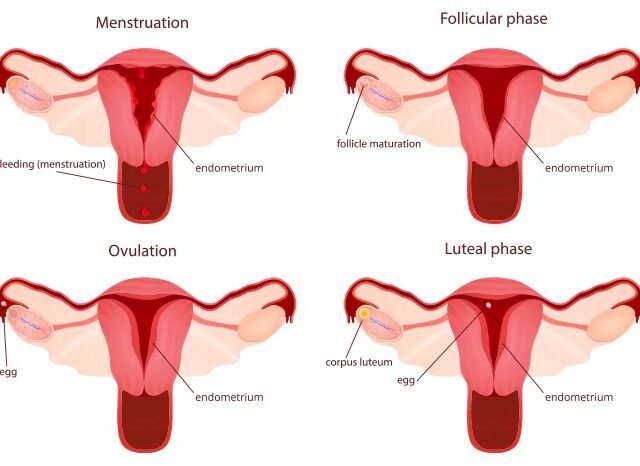
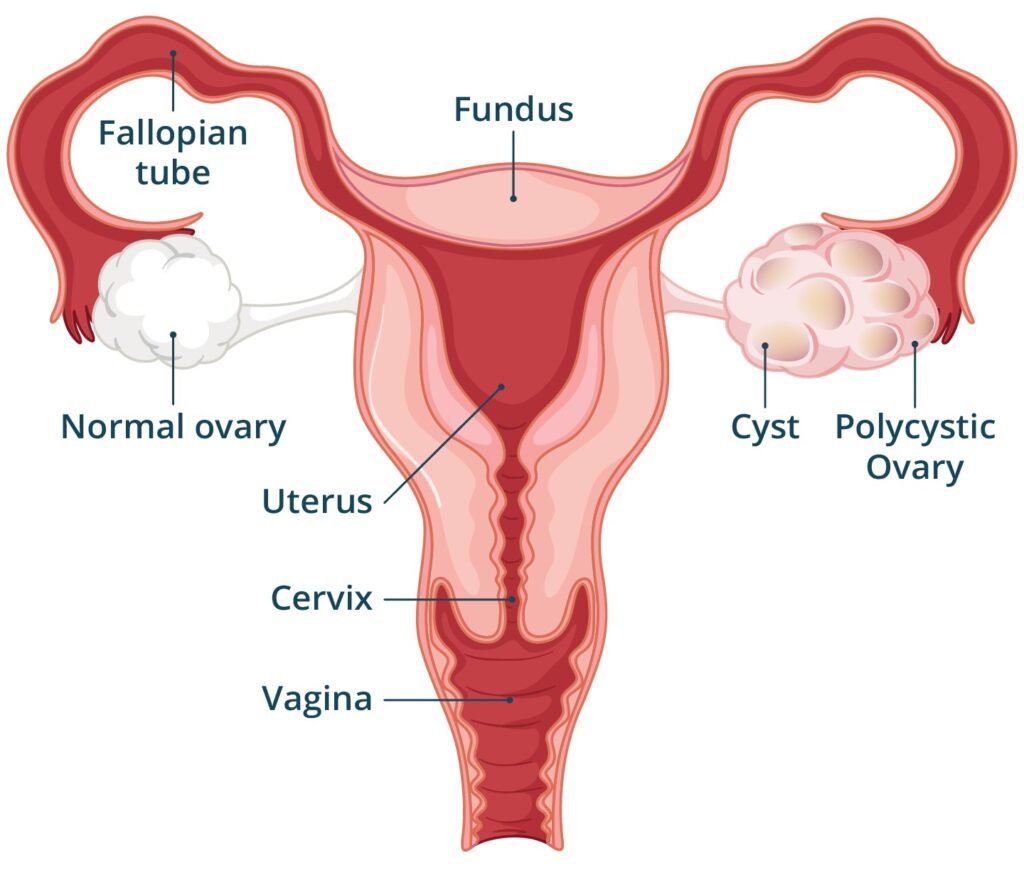
In a normal menstrual cycle, follicles develop in the ovaries, one dominant follicle matures, and ovulation occurs — releasing an egg for potential fertilisation. In a woman with PCOS, this process is disrupted. Multiple small follicles begin to develop but none reaches full maturity. Ovulation either does not occur or occurs irregularly. These undeveloped follicles remain on the ovaries — which is what creates the “polycystic” appearance on a scan.
But the root of the problem is not the cysts. The root is the hormonal imbalance driving them.
The Hormonal Reality of PCOS
At the centre of PCOS is a disruption in the relationship between several key hormones:
LH (Luteinising Hormone) is typically elevated in women with PCOS. High LH levels disrupt the normal ovulation process and stimulate the ovaries to produce excess androgens — male hormones that are present in all women but in much smaller amounts.
Androgens (including testosterone) are produced in excess in most women with PCOS. This excess is responsible for many of the visible symptoms — acne, excess facial or body hair, and hair thinning on the scalp.
Insulin plays a critical role that is often overlooked. Many women with PCOS have insulin resistance — meaning their cells do not respond properly to insulin. The body compensates by producing more insulin, and high insulin levels further stimulate androgen production, worsening the hormonal imbalance. This is why diet and blood sugar regulation are so central to managing PCOS.
Oestrogen and Progesterone are thrown out of balance because ovulation is not occurring regularly. Without ovulation, progesterone is not produced in the second half of the cycle — leading to irregular, heavy, or absent periods and creating an environment that is not conducive to conception.
The Symptoms Nobody Connects
One of the reasons PCOS goes undiagnosed for so long is that its symptoms appear to be unrelated. Women manage each symptom separately — not realising they are all expressions of the same underlying hormonal disruption. Symptoms of PCOS include:
- Irregular periods — cycles that are longer than 35 days, unpredictable, or absent altogether
- Heavy or prolonged bleeding when periods do occur
- Difficulty conceiving due to irregular or absent ovulation
- Acne — particularly along the jawline, chin, and back
- Excess hair on the face, chest, or abdomen
- Hair thinning or loss on the scalp
- Weight gain — particularly around the abdomen — or difficulty losing weight
- Darkening of skin in skin folds — neck, armpits, groin — a sign of insulin resistance
- Fatigue and energy crashes, particularly after meals
- Mood changes, anxiety, and depression
If you recognise yourself in several of these — and you have never been properly tested — please seek a full hormonal assessment.
PCOS and Fertility — The Truth
Yes, PCOS affects fertility. But it does not make fertility impossible.
The primary challenge is ovulation. If you are not ovulating regularly, there is no egg available to be fertilised. This is the most direct way PCOS impacts conception.
However, the ovaries of a woman with PCOS typically contain many follicles — which means egg reserve is often not the issue. The issue is getting those eggs to mature and release consistently.
When the hormonal environment is corrected — when insulin resistance is addressed, when androgens are brought back into balance, when the cycle is regulated — ovulation can be restored. And with ovulation restored, the path to conception opens. Many of the women who have come through Ohemaa Fertile Home with a PCOS diagnosis went on to conceive once their hormonal environment was properly supported.
Why Birth Control Pills Are Not the Answer
The most common treatment offered to women with PCOS is the oral contraceptive pill. And while the pill can regulate cycles and reduce androgen symptoms while you are taking it — it does not treat PCOS. It masks it.
The moment you stop taking the pill, your hormones return to their previous state. The PCOS does not go away. The underlying insulin resistance has not been addressed. The hormonal disruption has not been corrected.
For a woman who wants to conceive, taking the pill to manage PCOS while planning for a family is a circular solution that solves nothing and uses up time she cannot afford to lose. What is needed instead is a targeted approach that addresses the root causes — hormonal balance, insulin regulation, inflammation reduction, and ovarian support.
What Actually Helps
Managing PCOS effectively requires addressing it from multiple angles:
Nutrition is one of the most powerful tools available. A diet that stabilises blood sugar — reducing refined carbohydrates, processed sugars, and inflammatory foods while increasing fibre, protein, and healthy fats — directly reduces insulin resistance and lowers androgen levels. Many women see significant hormonal improvement through dietary changes alone.
Movement improves insulin sensitivity and supports hormonal regulation. It does not have to be intense — consistent, moderate movement is often more beneficial than occasional high-intensity exercise for women with PCOS.
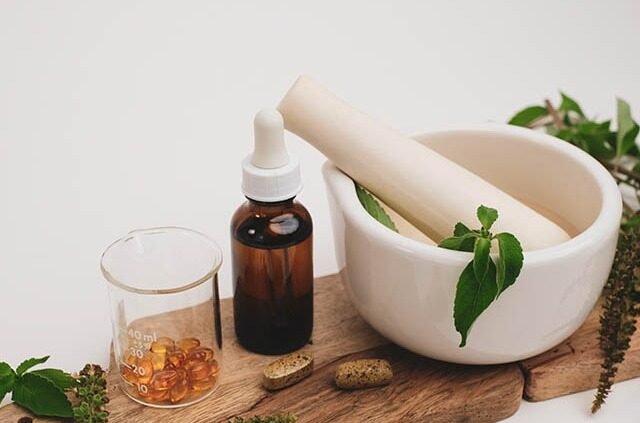
Herbal support has a long and documented history of supporting hormonal balance, regulating cycles, and improving ovarian function. At Ohemaa Fertile Home, our herbal protocols for women with PCOS are designed to work with the body’s own hormonal system — reducing excess androgens, supporting healthy ovulation, and creating a womb environment that is ready to receive and sustain a pregnancy.
Stress management is not optional. Chronic stress elevates cortisol, which further disrupts insulin and hormonal balance. Rest, calm, and emotional wellbeing are part of the treatment — not an afterthought.
You Were Not Given the Full Picture
If you were diagnosed with PCOS and handed pills — or simply told to lose weight — you were not given the full picture. PCOS is manageable. Your hormones can be rebalanced. Your cycle can be regulated. Ovulation can be restored. And conception is possible.
But it requires the right information, the right support, and a practitioner who takes the time to understand your specific hormonal profile — not just your scan results.
We Have Walked This Road With Many Women Before You
At Ohemaa Fertile Home, PCOS is one of the conditions we work with most frequently. We understand the frustration of being told you have it without being told what to do about it. We understand the discouragement of months and years passing without results. We also understand what it takes to turn that around.
If you have a PCOS diagnosis and you are ready for a real plan — reach out to us. Bring your test results. Tell us your story. And let us build a programme that actually addresses what is happening in your body. You deserve more than a prescription and a dismissal. You deserve a path forward.
At Ohemaa Fertile Home, we provide structured herbal fertility support rooted in three generations of traditional knowledge and guided reproductive wellness care. We support women across Ghana, Nigeria, and the diaspora with personalised consultations designed around their unique fertility journey. Reach out to us on WhatsApp if you need help.