She had done everything right.
Every supplement. Every appointment. Every instruction her clinic gave her. When her embryos came back strong, she finally allowed herself to feel hopeful. Then the transfer failed.
She came to us exhausted — not just physically, but emotionally, financially, and mentally. Because from the outside, everything had looked perfect. Good eggs. Good embryos. A reputable clinic. So what went wrong?
As we walked through her history together, the answer became clear almost immediately. Years of painful periods. Chronic pelvic pain. A diagnosis of endometriosis that had been noted — but never really addressed in her IVF preparation.
IVF Isn’t Only About Embryos — It’s About Implantation
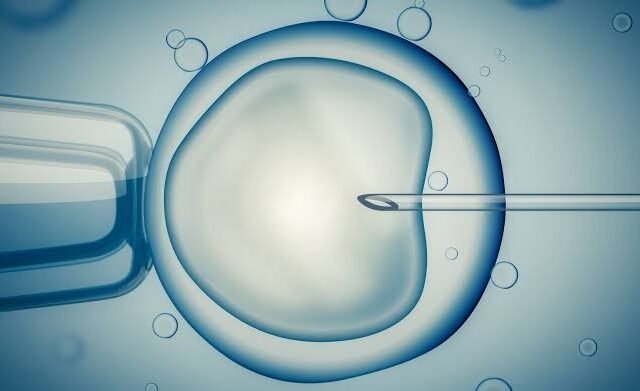
Every conversation leading up to her transfer had focused on her ovaries and her embryos. Very little attention had been given to the uterine environment where that embryo was expected to land and grow.
Here’s what many women aren’t told: IVF isn’t only about creating embryos. It’s about creating the right conditions for implantation. (This is also why so many cycles fail for reasons that have nothing to do with egg quality — something we explore in Why IVF Failed — And What Nobody Told You After.)
Why Endometriosis Changes the Equation
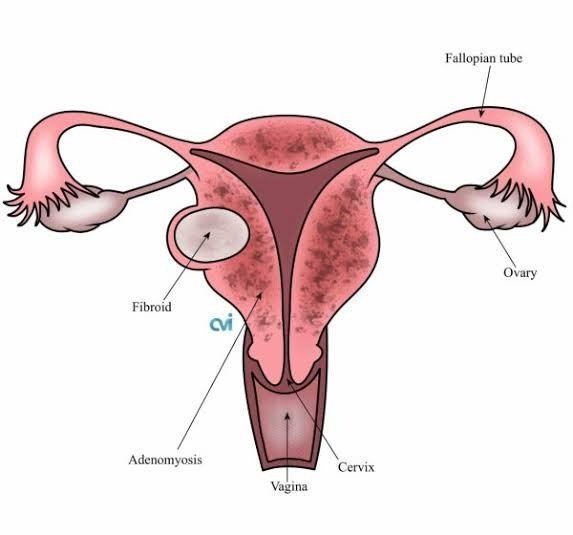
For women living with endometriosis or adenomyosis, inflammation can quietly affect uterine receptivity, hormone signalling, and implantation potential. This is why two women can have embryos of identical quality and walk away with completely different results. As the NHS notes, endometriosis affects roughly 1 in 10 women of reproductive age — yet its impact on the womb lining is often overlooked during fertility treatment.
Preparation matters. Timing matters. Protocol matters.
Make Your Diagnosis Part of Your Preparation
When this client finally understood that her failed transfer wasn’t her fault — that there were factors her care team hadn’t fully addressed — something shifted. She stopped blaming herself. She stopped obsessing over embryo grades and started asking better questions, advocating for herself, and preparing her body with intention.
If you have endometriosis or adenomyosis and you’re preparing for IVF, please don’t make the mistake of focusing only on egg quality. Your diagnosis deserves to be part of your preparation strategy — not an afterthought. (And if you also have blocked or fluid-filled tubes, read Why Rushing Into IVF With Hydrosalpinx and Endometriosis Is a Mistake before you proceed.)
Come and speak with us before your next cycle — let’s make sure your whole body, not just your embryos, is truly ready.
Related Reading
At Ohemaa Fertile Home, we provide guided herbal fertility support rooted in three generations of traditional knowledge. We serve women across Ghana, Nigeria, and the diaspora. Reach out to us on WhatsApp for a free, confidential consultation.