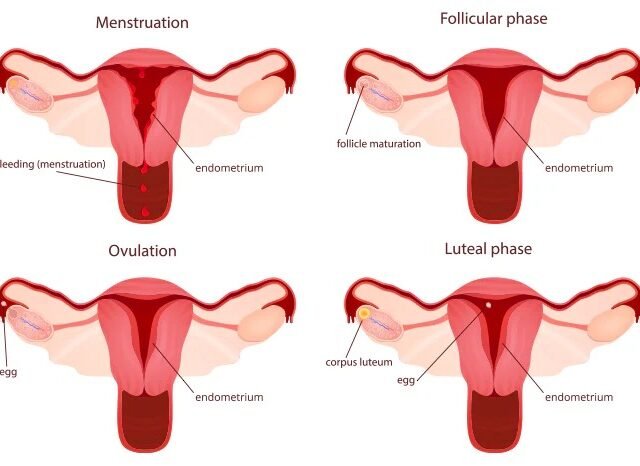
When sex is scheduled around ovulation, it can become uncomfortable. Many couples reach for a lubricant without a second thought. Few realise that many of them are hostile to sperm.
Why Some Lubricants Harm Sperm
- Many are too acidic or too concentrated for sperm to swim through.
- Some contain spermicides or preservatives that damage sperm.
- Thick products can physically slow movement.
Household Substitutes to Avoid
- Saliva — it contains enzymes that can affect sperm movement.
- Petroleum jelly and body creams — not designed for the vagina and can encourage infection.
- Shea butter and cooking oils — traditional favourites, but not tested for sperm safety, and they can trap bacteria.
Better Options
- Lubricants labelled “fertility-friendly” or “sperm-friendly”, which are designed to match the body’s natural pH.
- More time for foreplay — the body’s own lubrication is the best of all.
- Reducing pressure around “the right day” where possible — stress dries you out.
When Dryness Is a Symptom
Dryness around ovulation is worth noticing. Healthy fertile mucus is wet and slippery; if you never see it, ovulation may be weak or absent — read Are You Actually Ovulating?. Ongoing dryness can also point to low oestrogen, which is one of the signs of premature ovarian insufficiency, or to certain medications, including some antihistamines.
One More Point
Some women douche or wash inside the vagina after sex hoping to “clean” or “help”. Please don’t — it disturbs the protective bacteria, raises the risk of infection, and does not improve your chances. See our guidance in The Silent Infection That Can Stop an Embryo From Implanting.
If intimacy has become painful or stressful while you are trying, you can talk to us about it. Nothing is too private.
Related Reading
At Ohemaa Fertile Home, we provide guided herbal fertility support rooted in three generations of traditional knowledge. We serve women across Ghana, Nigeria, and the diaspora. Reach out to us on WhatsApp for a free, confidential consultation.