She carried the baby past the first trimester. She thought she was safe. And then she lost it again.
For many women, the most devastating pregnancy losses are not the ones that happen in the early weeks. They are the ones that happen at four months. Five months. Six months.
The ones where she had already told her family. Already chosen a name. Already begun to believe that this time was different. And then it was gone.
She was told it was spiritual. She was told someone was eating her babies. She was told to pray harder. She was told it was God’s will. But nobody told her the truth.
Nobody told her she may have a condition called cervical incompetence — and that it is medical, it is real, it is identifiable, and in many cases, it is manageable.
This article is for every woman who has lost a pregnancy in the second trimester and never received a real explanation. This is what you deserved to be told.
What Is Cervical Incompetence?
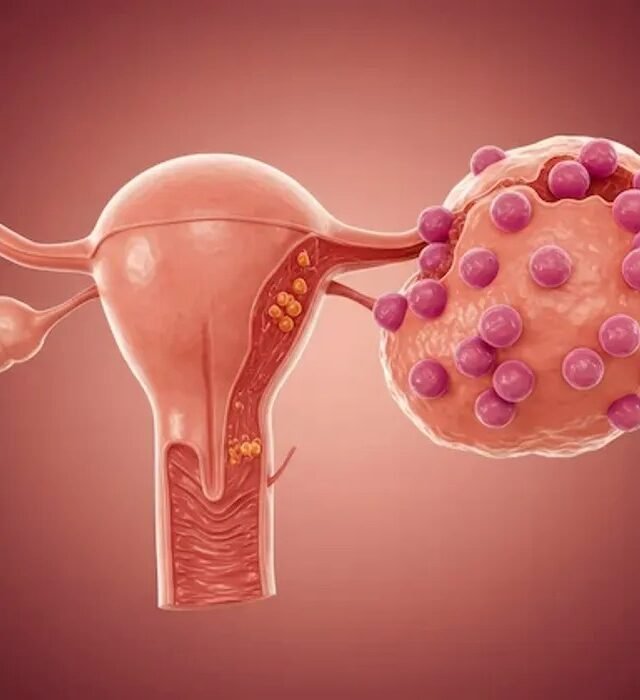
The cervix is the lower part of the uterus — a narrow, cylindrical passage that connects the womb to the vagina. During pregnancy, the cervix is supposed to remain firmly closed and strong, holding the growing baby safely inside the uterus until it is time for delivery.
In cervical incompetence — also called cervical insufficiency — the cervix is weak. It cannot support the weight of the growing pregnancy. As the baby grows and becomes heavier, the pressure on the cervix becomes too great. Without warning, the cervix begins to open — dilating silently, painlessly, before the baby is ready to survive outside the womb.
The result is a pregnancy loss — typically in the second trimester, between 16 and 24 weeks. Sometimes as late as the early third trimester.
What makes this condition particularly heartbreaking is that it often happens without pain, without bleeding, without any warning sign that anything is wrong. A woman can feel completely fine — and then go into labour far too early, with no chance of saving the baby at that stage of development.
Why It Is So Misunderstood
In many African communities — in Ghana, in Nigeria, across the continent — a woman who repeatedly loses pregnancies in the second trimester is rarely referred for a proper medical investigation. Instead she is told:
- “Someone in your family is against you.”
- “There is a spiritual attack on your womb.”
- “You need deliverance.”
- “The enemy is eating your children.”
And so she goes from church to church. From prophet to prophet. From one prayer house to another. Spending money she does not have. Carrying grief she should not have to carry alone.
While the real answer — a weak cervix — sits undiagnosed. Untreated. Ready to cause the same loss again in the next pregnancy.
This is not a spiritual problem. It is a physical one. And it deserves a physical answer.
What Causes Cervical Incompetence?
There is no single cause. Several factors can contribute to a weak cervix:
Previous cervical procedures — certain medical procedures on the cervix, including some treatments for abnormal cervical cells, can weaken the cervical tissue over time.
Cervical trauma — previous difficult deliveries, certain surgical procedures, or injuries to the cervix can affect its structural integrity.
Congenital weakness — some women are simply born with a cervix that is naturally shorter or weaker than average. This is not anyone’s fault. It is a structural variation.
Previous second trimester losses — paradoxically, the physical process of a second trimester loss can itself cause some cervical damage, making subsequent pregnancies more vulnerable.
Uterine abnormalities — certain structural variations in the uterus can also affect cervical function.
DES exposure — exposure to a synthetic hormone called diethylstilboestrol, used historically in some medications, can affect cervical development in daughters born to mothers who took it.
In many cases, the cause is never fully identified. But the condition is real regardless of its origin.
The Signs That Something May Be Wrong
Cervical incompetence is called “silent” because it often presents with no obvious symptoms until it is too late. However, some women do notice:
- A feeling of pelvic pressure or heaviness in the second trimester
- A backache that is new or unusual
- Mild abdominal cramping that does not feel like normal pregnancy discomfort
- A change in vaginal discharge
- A feeling that something is different — something women often describe as just knowing something is not right
If you are pregnant and you have previously lost a pregnancy in the second trimester — please tell your doctor or midwife immediately. Do not wait to see if these feelings pass.
How Is It Diagnosed?
Cervical incompetence is typically diagnosed through:
Transvaginal ultrasound — this measures the length of the cervix. A short cervix — generally less than 25mm in the second trimester — is a significant warning sign that is measurable and visible.
Medical history — a pattern of second trimester losses, or previous losses without clear explanation, is itself a diagnostic indicator that should prompt investigation.
Physical examination — in some cases, painless dilation of the cervix can be detected during a routine examination.
If you have had one or more unexplained second trimester losses, you are entitled to ask your doctor specifically about cervical length assessment in any future pregnancy. You do not have to accept “it just happened” as an answer.
What Can Be Done
Cervical cerclage is a procedure in which a stitch is placed around the cervix, essentially closing it and providing additional support to hold the pregnancy. It is typically performed between 12 and 14 weeks of pregnancy and removed before delivery. For women with diagnosed cervical incompetence, cerclage has helped many carry their pregnancies to term.
Progesterone supplementation — vaginal progesterone has been shown to help reduce the risk of preterm birth in women with a short cervix. It supports the cervical environment and helps maintain pregnancy.
Bed rest and reduced activity — while not a treatment in itself, reduced physical activity and careful monitoring can be part of a management plan for women at risk.
Frequent monitoring — women with a history of second trimester loss should receive regular cervical length measurements throughout pregnancy, allowing for early intervention if the cervix begins to shorten.
Preparation before pregnancy — for women who have experienced recurrent second trimester loss, a thorough evaluation before the next pregnancy — including cervical assessment — allows for a proactive management plan rather than a reactive one.
The Spiritual and the Physical Are Not in Conflict
This needs to be said clearly and with respect. Faith matters. Prayer matters. The spiritual dimension of life is real.
But God also gave us knowledge. He gave us medicine. He gave us practitioners and doctors who can identify physical conditions and offer physical solutions.
A woman with cervical incompetence does not need deliverance. She needs a cerclage. She needs progesterone. She needs a doctor who takes her history seriously and monitors her cervix carefully through her next pregnancy.
Seeking medical help is not a lack of faith. It is wisdom. And it is the path through which many women who were told they were spiritually attacked have gone on to hold their living children.
A Message to the Women Reading This
If you have lost a pregnancy in the second trimester — once, twice, or more — and you have never been given a clear medical explanation, please hear this:
You were not cursed. You were not attacked. You were not being punished.
You may simply have a cervix that needed support — and nobody told you.
That is not your fault. But now you know. And now you can ask the right questions, demand the right investigations, and give your next pregnancy the best possible chance.
We Walk With You
At Ohemaa Fertile Home, we have sat with women who came to us carrying not just the grief of loss — but the weight of spiritual accusations they did not deserve.
We take the whole picture seriously — physical, hormonal, nutritional, and emotional. We work alongside proper medical care to support the womb environment, hormonal balance, and overall reproductive health of every woman in our care.
If you have experienced recurrent pregnancy loss and you are looking for answers — reach out to us. You deserve the truth. And you deserve support. We are here. We are listening.
Related Reading
At Ohemaa Fertile Home, we provide guided herbal fertility support rooted in three generations of traditional knowledge. We serve women across Ghana, Nigeria, and the diaspora. Reach out to us on WhatsApp for a free, confidential consultation.