There are losses that people do not know how to talk about. And so they are carried in silence.
A miscarriage is one of them.
You see the positive test. You allow yourself to feel it — the joy, the disbelief, the quiet prayers, the careful calculations. And then it is gone. And the world expects you to move on. To try again. To be grateful it happened early. To understand that it is common.
But the grief is real. And beyond the grief — there are questions. Questions that deserve real answers.
Why did this happen? Will it happen again? Is something wrong with my body? What do I need to do differently?
This article will not give you empty comfort. It will give you the honest information you deserve.
What Is Recurrent Miscarriage?
A single miscarriage is unfortunately common — affecting approximately one in four recognised pregnancies. In many cases, a single miscarriage is caused by a chromosomal abnormality in the embryo — a random event that does not indicate an underlying problem and does not significantly increase the risk of future loss.
Recurrent miscarriage is defined as two or more consecutive pregnancy losses. It affects approximately one in one hundred couples and in most cases, it has an identifiable cause — which means it has an addressable solution.
If you have experienced two or more miscarriages, please do not accept “it is bad luck” or “try again” as an answer. You deserve a thorough investigation.
The Most Common Causes of Recurrent Miscarriage
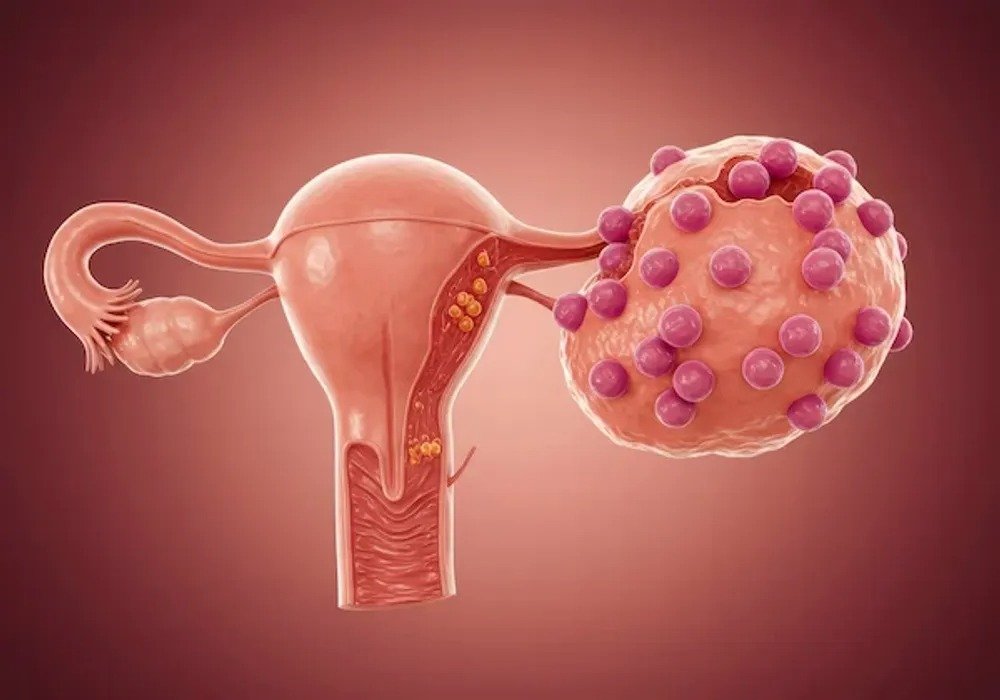
Uterine abnormalities are one of the most common structural causes of recurrent pregnancy loss. These include:
- A septate uterus — where a fibrous or muscular band divides the uterine cavity, reducing the space available for implantation and growth
- Fibroids — particularly those that distort the uterine cavity
- Asherman’s syndrome — scarring inside the uterus, often from previous procedures
- Adenomyosis — which creates an inflamed, hostile uterine environment
Hormonal imbalances are a significant cause of recurrent loss, particularly:
- Low progesterone — the hormone that maintains the uterine lining and supports the early pregnancy. Without sufficient progesterone in the second half of the cycle and the early weeks of pregnancy, the lining cannot sustain implantation.
- Thyroid dysfunction — both underactive and overactive thyroid are strongly associated with recurrent miscarriage and are frequently missed
- Elevated prolactin — suppresses progesterone and disrupts the luteal phase
- Insulin resistance and PCOS — create a hormonal environment that is hostile to early pregnancy maintenance
Blood clotting disorders — particularly antiphospholipid syndrome — cause the blood to clot abnormally, restricting blood flow to the placenta and causing pregnancy loss. This is one of the most important and most frequently missed causes of recurrent miscarriage, and it is treatable once identified.
Chromosomal factors — in some cases, one or both partners carry a chromosomal arrangement that, while not affecting them personally, increases the likelihood of chromosomal abnormalities in embryos.
Immune factors — in some women, the immune system mounts an excessive response to the pregnancy, treating the embryo as foreign and attacking it. Understanding and managing immune factors is a growing area of reproductive medicine.
Male factor — sperm DNA fragmentation — damage to the genetic material within sperm — is increasingly recognised as a cause of early pregnancy loss. A normal semen analysis does not rule out sperm DNA damage. If recurrent loss has occurred, sperm DNA fragmentation testing should be part of the investigation.
Infection — certain infections, including some that are asymptomatic, can cause pregnancy loss if they are not identified and treated.
What Investigations Should Be Done
If you have experienced recurrent miscarriage, the following investigations should be considered as part of a thorough assessment:
- Pelvic ultrasound — looking specifically at uterine structure and any abnormalities
- Hysteroscopy or saline infusion sonography — for a clearer view of the uterine cavity
- Full hormonal profile — including progesterone, thyroid function, prolactin, FSH, LH, and AMH
- Antiphospholipid antibody testing — to rule out clotting disorders
- Karyotyping — chromosomal analysis for both partners
- Sperm DNA fragmentation test — for the male partner
- Infection screening
- Vitamin D, folate, and iron levels
This is a comprehensive list — and not every test will be relevant for every woman. But it gives you a starting point for conversations with your healthcare provider. You are entitled to ask for a thorough investigation. Do not stop asking until you have answers.
The Role of Progesterone
Progesterone deserves special mention because low progesterone is one of the most common, most treatable, and most frequently overlooked causes of early pregnancy loss.
After ovulation, the corpus luteum — the structure left behind in the ovary after the egg is released — produces progesterone to prepare and maintain the uterine lining for implantation. In early pregnancy, before the placenta takes over, adequate progesterone levels are critical for sustaining the pregnancy.
If progesterone is too low, the lining breaks down and the pregnancy is lost — often before many women even know they were pregnant, or in the very early weeks.
A simple blood test taken seven days after ovulation can assess progesterone levels. If levels are low, this is addressable — through natural progesterone support, herbal protocols, or medical supplementation. If you have had miscarriages and have never had your progesterone tested, please make this a priority.
Preparing the Body Before Trying Again
One of the most important things a woman can do after recurrent miscarriage is invest time in preparing her body before the next attempt. This is not about waiting. It is about acting — creating the best possible internal environment for a successful pregnancy.
Address what has been found. If investigations have revealed a cause — treat it. Whether it is a structural issue, a hormonal imbalance, a clotting disorder, or a nutritional deficiency, address it before trying again.
Support the uterine lining. Inflammation, poor blood flow, and structural compromise all affect the quality of the uterine lining. Anti-inflammatory nutrition, targeted herbal support, and adequate hydration all contribute to a healthier lining.
Support progesterone production naturally. Adequate zinc, vitamin B6, vitamin C, and magnesium support the corpus luteum and progesterone production. Reducing stress — which depletes progesterone — is also critical.
Address sperm DNA fragmentation if relevant. If sperm DNA damage has been identified, lifestyle changes — particularly reducing heat exposure, alcohol, smoking, and oxidative stress — combined with targeted antioxidant support can significantly improve sperm DNA integrity within two to three months.
Give yourself time to heal emotionally. The grief of pregnancy loss is real and it matters. Emotional stress has a measurable physiological impact on hormone levels and immune function. Caring for your emotional wellbeing is not separate from caring for your physical fertility — it is the same thing.
You Are Not Broken
Recurrent miscarriage is one of the hardest journeys a woman can walk. It combines the grief of loss with the fear of trying again — and the uncertainty of not knowing why.
But in most cases, there is a reason. And where there is a reason, there is a path forward. You are not broken. Your body has not failed you. Something specific is happening that, once identified, can be addressed.
Do not stop asking questions. Do not accept silence as an answer. And do not walk this road alone.
We Walk With You
At Ohemaa Fertile Home, we have sat with many women who came to us after one loss, two losses, sometimes more. Women who had been told to keep trying. Women who had never been given a proper explanation.
We take the time to understand your complete history. We look at your hormonal profile, your uterine environment, your nutritional status, and your lifestyle. We build a programme that supports every layer of your fertility — physical, hormonal, and emotional.
Because you deserve more than being told to try again. You deserve to know why. And you deserve real support for what comes next.
At Ohemaa Fertile Home, we provide structured herbal fertility support rooted in three generations of traditional knowledge and guided reproductive wellness care. We support women across Ghana, Nigeria, and the diaspora with personalised consultations designed around their unique fertility journey. Reach out to us on WhatsApp if you need help.