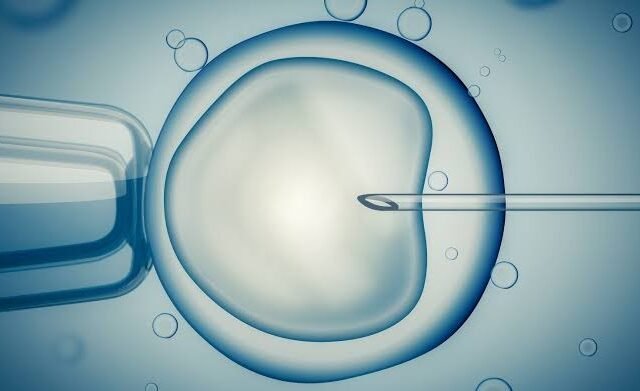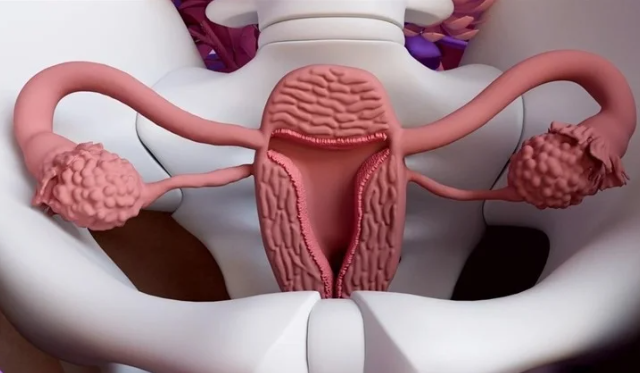
Our grandmothers had a saying about farming: you can have the best seed in the village, but if the soil is poor, nothing grows. The womb lining — the endometrium — is that soil.
What “Thin” Means
The lining grows through the first half of the cycle under the influence of oestrogen, then matures under progesterone. Around ovulation, many specialists like to see it at roughly 7–8mm or more. Persistently below that, and especially below 6mm, it is often described as thin — and implantation rates tend to fall.
Thickness is not everything. The pattern on the scan and the blood supply matter too. But a lining that never builds is a signal worth taking seriously.
Common Causes
- Scarring inside the womb after a D&C, evacuation, or infection — see Asherman’s Syndrome.
- Low oestrogen from weak ovulation, very low body weight, or declining ovarian reserve.
- Poor blood flow to the pelvis.
- Chronic inflammation or infection of the lining — explored in The Silent Infection That Can Stop an Embryo From Implanting.
- Repeated use of clomiphene, which can thin the lining in some women.
Signs You Might Notice
Very light periods that have become lighter over time, periods lasting only a day or two, or a history of procedures inside the womb. None of these confirms a thin lining — only a well-timed scan can — but they are reasons to ask.
Building Better Soil
- Find and treat the cause first — scarring needs a different plan from low oestrogen.
- Support circulation: regular walking, warmth, staying well hydrated, not smoking.
- Eat for blood and iron — leafy greens, beans, eggs, fish, and the foods in our fertility food guide.
- Correct anaemia if it is present — see Anaemia, Heavy Periods and Fertility.
- Give it time. The lining responds over cycles, not days.
At Ohemaa Fertile Home, womb preparation is central to our programmes. Our herbal formulations are chosen to support circulation to the pelvis and the natural building of the lining, and we always ask for a repeat scan so we can see the change rather than guess at it.
If you have been told your lining is thin — before IVF or on your own — talk with us before your next cycle.
Related Reading
At Ohemaa Fertile Home, we provide guided herbal fertility support rooted in three generations of traditional knowledge. We serve women across Ghana, Nigeria, and the diaspora. Reach out to us on WhatsApp for a free, confidential consultation.