Most fertility advice stops at ovulation. Find your fertile window, time intercourse, wait. But what happens after the egg is released matters just as much — and it is the part almost nobody checks.
What the Luteal Phase Is
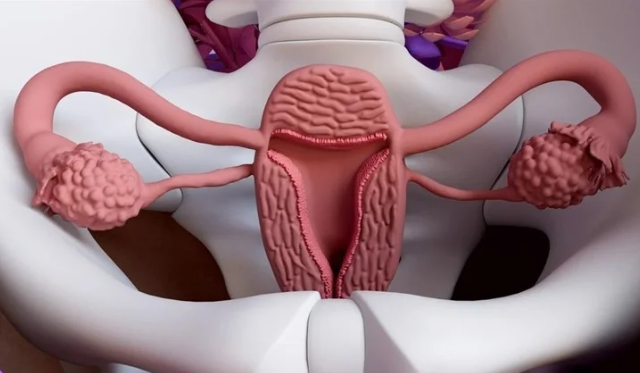
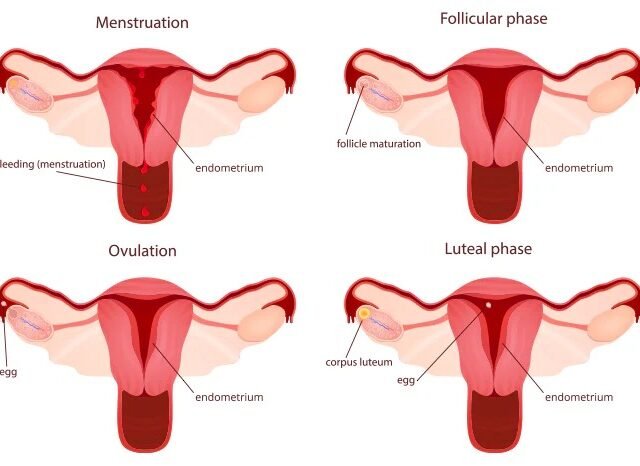
The luteal phase is the stretch of days between ovulation and your next period. During this time, the empty follicle becomes the corpus luteum and produces progesterone — the hormone that thickens and stabilises the womb lining so an embryo can settle in.
A fertilised egg takes roughly six to ten days to travel down the tube and implant. If progesterone falls and the lining sheds before then, the embryo has nowhere to land — often before a pregnancy test could ever turn positive.
How Long Should It Be?
A healthy luteal phase usually runs about 12–14 days. Consistently fewer than 10 days is generally considered short and worth looking into.
Signs Your Second Half May Be Short
- Spotting for several days before your period properly starts
- A period that arrives sooner after ovulation than you expect
- Cycles that are short overall, with a clear ovulation sign followed quickly by bleeding
- Repeated very early losses — positive tests that fade within days
How to Check It
- Confirm the day you ovulate — using cervical mucus, LH strips or temperature, as we explain in Are You Actually Ovulating?.
- Count the days from ovulation to the first day of full bleeding.
- Track at least three cycles before drawing conclusions — one short cycle means little.
- Ask for a progesterone blood test about seven days after ovulation (not automatically on “day 21”).
What Drives It
A short luteal phase is usually a sign of something upstream rather than a disease in itself. Common contributors include weak ovulation, thyroid imbalance, raised prolactin, chronic stress and poor sleep, under-eating or intense exercise, and the hormonal shifts of the late thirties and forties. Your thyroid is one of the first things we ask about.
Our Approach
We do not simply try to prop up the second half of the cycle. We work on the quality of ovulation itself — because a stronger follicle tends to produce a stronger corpus luteum — alongside nourishing herbal support for the womb lining, and practical work on sleep, food and stress. Where a doctor recommends progesterone support, we work alongside that, not against it.
If your charts show a short second half, or you have had repeated very early losses, bring your cycle records to us.
Related Reading
At Ohemaa Fertile Home, we provide guided herbal fertility support rooted in three generations of traditional knowledge. We serve women across Ghana, Nigeria, and the diaspora. Reach out to us on WhatsApp for a free, confidential consultation.