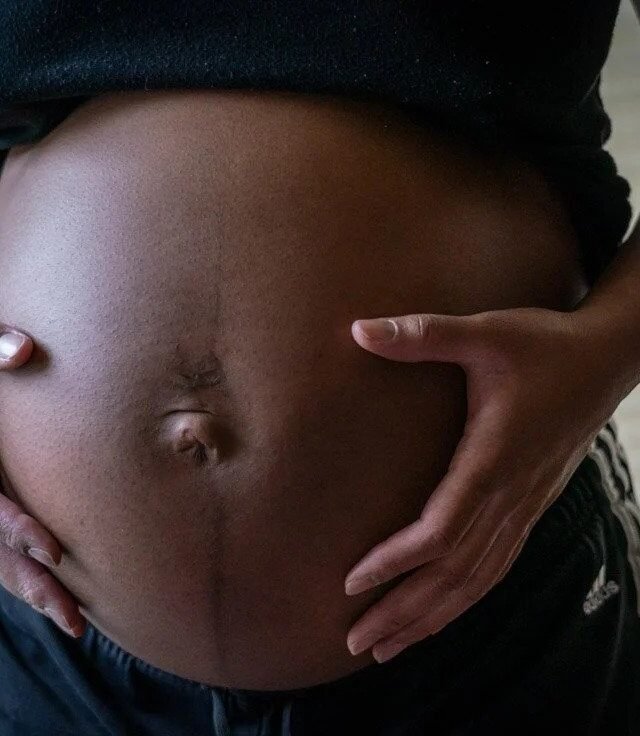
She has a child. Everyone can see that. So when she says she has been trying for two years and nothing is happening, the responses come quickly and carelessly.
“At least you have one.” “Be grateful.” “It will happen, you have done it before.”
Secondary infertility — difficulty conceiving after already having a baby — is one of the loneliest experiences in this field. The grief is real, but the woman feels she has no permission to name it. And because she conceived once, both she and her doctors often assume nothing needs investigating.
It Is More Common Than People Think
Secondary infertility accounts for a substantial share of all fertility difficulty. The World Health Organization estimates that roughly one in six people of reproductive age are affected by infertility overall, and secondary cases sit squarely within that.
A previous pregnancy proves that conception was possible then. It says nothing definitive about now.
What Can Change Between One Pregnancy and the Next
Changes from the birth itself
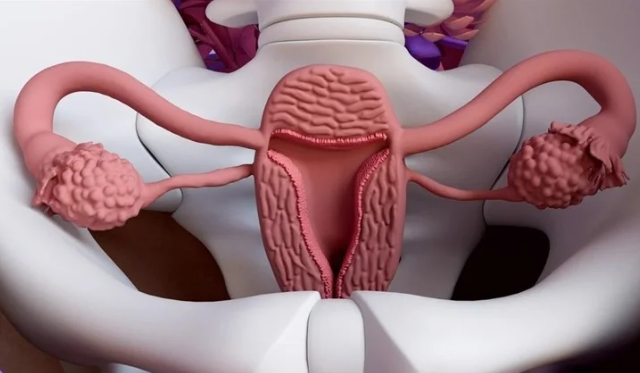
- Scarring from a caesarean — including a niche or pocket in the scar that can collect fluid and interfere with implantation.
- Infection after delivery or miscarriage — postpartum infection or retained tissue can leave adhesions inside the womb.
- Damage from a D&C — scarring of the uterine lining, in some cases significant enough to reduce the surface available for implantation.
Changes in you
- Time — egg quantity and quality decline with age, and the gap between children is often longer than couples realise.
- Progressive conditions — endometriosis, adenomyosis and fibroids all tend to advance over the years, so the womb of today is not the womb of five years ago.
- Thyroid and hormonal shifts — postpartum thyroid problems are common and frequently missed. See The Small Gland That Can Stall Your Fertility.
- Weight and metabolic change — including insulin resistance that was not present before.
Changes in him
This is the one almost nobody checks. Because he fathered a child before, his fertility is treated as settled. It is not. Sperm quality responds to illness, medication, weight gain, heat, alcohol, stress and time — and it can decline meaningfully in a few years. Read Why Your Husband Needs to Be Tested Too and Worried About Low Sperm Count?.
And the practical reality
Exhaustion. Less frequent intercourse. A cycle nobody is tracking any more because last time it “just happened.” These are not trivial — they are often part of the picture, and they are among the easiest parts to change.
What We Ask You to Do
- Take it seriously at the same threshold as anyone else — a year of trying, or six months if you are over 35. Having a child does not buy you extra time.
- Get the full work-up done again — both of you. Not a partial one because you have “proven” fertility.
- Say it out loud. Tell someone who will not answer with “at least you have one.”
You Are Allowed to Want This
Loving the child you have and longing for another are not in competition. Gratitude does not cancel grief. Anyone who tells you otherwise has not sat where you are sitting.
And practically speaking, secondary infertility often has a findable, addressable cause — precisely because your history gives us so much to work with. Come and speak with us, and bring your husband.
Related Reading
At Ohemaa Fertile Home, we provide guided herbal fertility support rooted in three generations of traditional knowledge. We serve women across Ghana, Nigeria, and the diaspora. Reach out to us on WhatsApp for a free, confidential consultation.