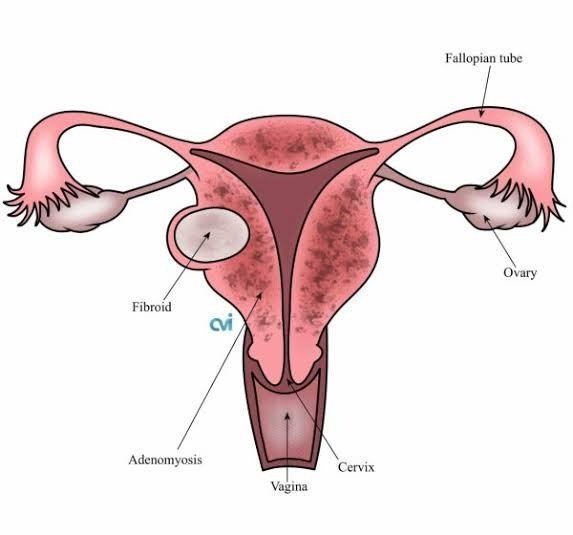
Most conversations about endometriosis focus on the pelvis — painful periods, pelvic pain, fertility struggles. But there’s a deeper, often overlooked complication that every woman with endometriosis should know about: its potential effect on the kidneys.
How Does Endometriosis Affect the Kidney?
Endometriosis growing directly on the kidney itself is very rare. The real concern is urinary tract endometriosis — when endometrial tissue grows on or around the ureter, the tube that carries urine from the kidney to the bladder.
When this tissue presses on the ureter from the outside, or grows within its wall, it can narrow the passage. Urine struggles to drain properly, pressure builds in the kidney, and over time this can lead to a condition called hydronephrosis — kidney swelling that can progress to kidney damage, sometimes with very few warning signs.
Why This Matters
This is the part that worries us most: some women experience few or no symptoms until kidney function is already affected. That’s why we always say — quiet symptoms still deserve care. You don’t have to wait for loud pain to ask for answers.
Symptoms to Watch For
- Flank pain or back pain near the ribs
- Pelvic pain
- Painful urination
- Blood in urine
- Repeated UTI-like symptoms
- Pain that worsens with your cycle
A normal urine culture or a normal pelvic exam does not automatically rule out deep urinary tract endometriosis. If something feels off, it’s worth pushing for further investigation. (This is exactly the kind of self-advocacy we wrote about in Why Aren’t You Asking to See Your Own Results?.)
Tests That May Be Recommended
Kidney ultrasound, pelvic ultrasound, MRI, CT urogram, urine tests, kidney function blood tests, and sometimes a cystoscopy. The goal isn’t only to reduce pain — it’s to protect long-term kidney function.
Treatment Options
Depending on severity, treatment may involve surgical excision of the endometriosis, freeing the ureter, removing affected tissue, placing a stent, or coordinated care between gynaecology and urology specialists.
Our Takeaway
If you live with endometriosis and have ever experienced flank pain, repeated UTI symptoms, or unexplained back pain, don’t brush it off. Bring it up with your care team and ask whether your urinary tract should be evaluated too. Advocating for your whole body — not just your reproductive organs — is part of protecting your fertility and your health long-term.
Related Reading
At Ohemaa Fertile Home, we provide guided herbal fertility support rooted in three generations of traditional knowledge. We serve women across Ghana, Nigeria, and the diaspora. Reach out to us on WhatsApp for a free, confidential consultation.