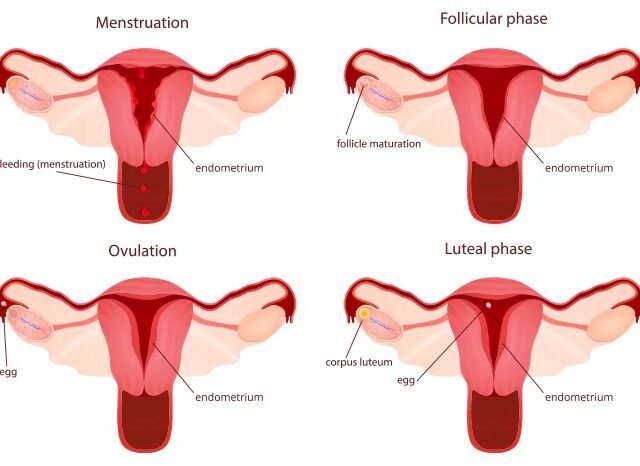
Most women have never been taught to look at their period blood. And that is a problem.
Every month, your body sends you a detailed report on the health of your womb, your hormones, and your reproductive system. That report comes in the form of your menstrual blood — its colour, its consistency, its flow, its smell, and its timing.
Most women flush it away without a second glance.
But the women who learn to read what their body is showing them — these are the women who catch problems early. Who seek help at the right time. Who protect their fertility before it becomes a crisis.
One of the most overlooked signals of all is the colour of your period blood.
What Your Period Blood Colour Is Telling You
Not all menstrual blood is the same. And the differences matter far more than most women realise.
Bright Red Blood — What Is Normal
Fresh, bright red blood flowing consistently during the first days of your period is the sign of a healthy, active flow. The blood is leaving the uterus efficiently — it is not sitting, pooling, or oxidising before it exits the body.
This is what a healthy period looks like. Active. Moving. Bright.
Dark Brown or Black Blood — This Is A Red Flag
Here is the one that most women ignore completely.
Dark brown blood — or blood that appears almost black — is old blood. It is blood that has been sitting inside the uterus or the reproductive tract for an extended period before finally being expelled.
When blood sits in the uterus instead of flowing out efficiently, it oxidises. Just as iron rusts when exposed to air over time, blood darkens and thickens when it is retained in the body rather than expelled promptly.
Dark brown or black period blood is your womb telling you that something is preventing your blood from flowing freely.
This is not always an emergency. Small amounts of dark brown blood at the very beginning or very end of a period — when the flow is lightest — can be relatively common as older blood clears. But when the majority of your period is dark, brown, or black rather than red — this is a signal that deserves serious attention.
What Dark Period Blood Can Indicate
Adenomyosis — one of the most common causes of dark, thick period blood. When the uterine lining grows into the muscular wall of the uterus, it disrupts the normal shedding and expulsion process. Blood becomes trapped, sits longer than it should, and exits dark and sometimes in clots. Many women with adenomyosis have been seeing dark blood for years without knowing what it means.
Endometriosis — the chronic inflammation and structural changes caused by endometriosis can affect the quality and colour of menstrual blood. Dark, old-looking blood alongside severe pain is a very common presentation.
Poor uterine circulation — when blood flow to and from the uterus is compromised, the uterus cannot contract efficiently to expel its lining promptly. Blood pools, oxidises, and exits dark.
Hormonal imbalance — low progesterone in particular can affect the shedding of the uterine lining, causing it to break down irregularly and exit as dark, fragmented blood rather than a clean, flowing period.
Retained blood from a previous cycle — in some cases, blood from a previous period that was not fully expelled remains in the uterus and mixes with the current cycle’s flow, appearing as dark or brown discharge.
Uterine fibroids — fibroids can distort the uterine cavity and disrupt normal blood flow during menstruation, contributing to dark, heavy, or irregular bleeding.
Other Period Blood Colours That Signal a Problem
Thick, dark clots — passing occasional small clots during the first day or two of a heavy period can be normal. But consistently passing large clots — particularly clots larger than a coin — alongside dark blood is a significant warning sign of fibroids, adenomyosis, or hormonal imbalance.
Pale pink or watery blood — very light, thin, pale pink blood can indicate low oestrogen levels, which affect the thickness of the uterine lining. Low oestrogen is associated with diminished ovarian reserve and other hormonal challenges.
Grey or unusual coloured discharge with blood — this is never normal and should be assessed immediately as it can indicate infection or, in rare cases, pregnancy complications.
Bright orange blood — can indicate infection and should always be investigated.
Brown Blood Is Not Always Normal
This needs to be said directly because so many women have been told the opposite.
Brown spotting between periods, brown discharge before a period begins, or a period that is predominantly brown rather than red — these are not simply normal variations that every woman experiences.
Brown blood between cycles can indicate:
- Implantation bleeding in early pregnancy
- Hormonal imbalance causing mid-cycle spotting
- Endometriosis or adenomyosis activity
- A cervical or uterine issue
- An ovarian cyst
The fact that something is common does not make it normal. Many women experience brown discharge regularly — but experiencing it regularly does not mean it should be accepted without investigation.
What You Should Do
Start paying attention. From your next period — look. Note the colour at the beginning, the middle, and the end of your flow. Note whether it changes. Note whether clots are present. Note the consistency — thin and flowing, or thick and sticky.
Track it over several cycles. One dark period may not be significant on its own. A pattern of dark, slow, or clotted periods over several months is meaningful information.
Describe it to your practitioner. When you seek help, the colour and consistency of your period blood is important clinical information. Do not be embarrassed to describe it in detail. A practitioner who knows what to look for will take this information seriously.
Do not accept “it is normal” without explanation. If you describe consistently dark, clotted, or slow-flowing periods and you are told it is nothing — ask why. Ask what could cause it. Ask whether further investigation is warranted.
Seek a proper assessment. A transvaginal ultrasound, a hormonal profile, and a detailed menstrual history can begin to reveal what is causing abnormal period blood characteristics.
Your Period Is a Monthly Window Into Your Womb
This is something that traditional herbal medicine has always understood — and that modern medicine is only beginning to fully appreciate.
The characteristics of your menstrual flow are not random. They are a direct reflection of the health of your uterus, the state of your hormones, and the efficiency of your reproductive system.
A healthy womb produces a healthy period — bright red, flowing consistently for three to seven days, relatively free of large clots, without extreme pain, and without an unusual colour.
When any of these characteristics change — when the blood becomes dark, slow, clotted, or scanty — it is a message. Not a random variation. Not just one of those things. A message.
Read it. Act on it. Seek help.
At Ohemaa Fertile Home
Over the years, we have worked with many women whose first sign that something was wrong was the colour of their period blood. Dark, clotted, slow-flowing periods that had been dismissed for years — until we took them seriously and helped uncover the conditions underneath.
Adenomyosis. Fibroids. Hormonal imbalance. Poor uterine circulation. Endometriosis. Conditions that, once identified and supported, allowed many of these women to go on and conceive.
Your period blood is not embarrassing. It is not something to ignore. It is one of the most direct communications your reproductive system can send you.
We are trained to listen to it. Come and let us help you understand what yours is saying.
Related Reading
At Ohemaa Fertile Home, we provide guided herbal fertility support rooted in three generations of traditional knowledge. We serve women across Ghana, Nigeria, and the diaspora. Reach out to us on WhatsApp for a free, confidential consultation.