You noticed blood between your periods. And your heart stopped.
For most women, any bleeding outside of their expected period immediately triggers fear. Questions flood the mind instantly. Am I pregnant? Is something wrong? Why am I bleeding when my period is not due?
The truth is — bleeding or spotting between periods is more common than most women realise. And while it should never be completely ignored, one of the most frequent causes is something completely natural — ovulation spotting.
This article will explain what ovulation spotting is, why it happens, when it is normal, and when it is a signal that something needs closer attention.
What Is Ovulation Spotting?
Ovulation spotting is light bleeding or spotting that occurs around the time of ovulation — typically in the middle of your menstrual cycle, approximately 14 days before your next period if you have a regular 28-day cycle.
It is usually very light — a small amount of pink or brown tinged discharge rather than the heavier red flow of a full period. It may last anywhere from a few hours to a couple of days.
For many women it goes unnoticed entirely. For others — particularly those who are closely tracking their cycles — it is a consistent and recognisable monthly occurrence.
Why Does Ovulation Spotting Happen?
To understand ovulation spotting, it helps to understand what happens in your body during ovulation.
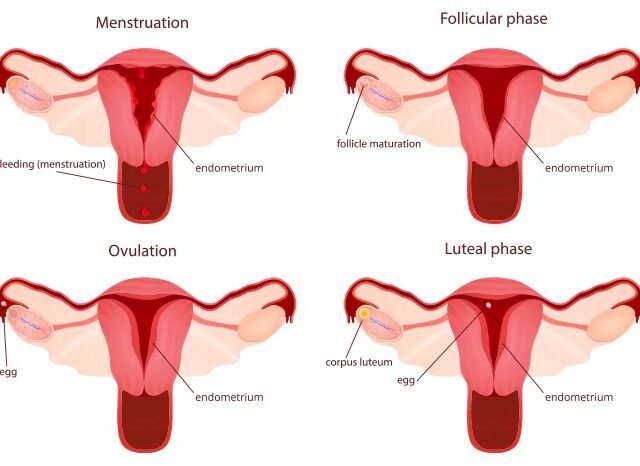
Each month, one of your ovaries develops a follicle — a small fluid-filled sac containing a maturing egg. When the egg reaches maturity, a surge of luteinising hormone (LH) triggers the follicle to rupture and release the egg into the fallopian tube. This is ovulation.
When the follicle ruptures, it can cause a small amount of bleeding. This blood may make its way into the uterus and out of the body — appearing as light spotting or a pink or brown tinge in your discharge.
At the same time, the hormonal changes that occur around ovulation — particularly the sharp rise and then drop in oestrogen — can also cause light spotting. This is sometimes called oestrogen withdrawal bleeding and is a completely normal response to the hormonal fluctuation of mid-cycle.
What Does Ovulation Spotting Look Like?
Ovulation spotting is characteristically different from a normal period. Here is what to look for:
Colour — typically pink or light red when fresh, or brown when older blood has taken longer to reach the outside. It is rarely the bright red of a full period flow.
Amount — very light. A small amount of discharge with a tinge of blood. Not enough to fill a pad or tampon. Many women notice it only when wiping.
Duration — usually brief. A few hours to one or two days at most.
Timing — mid-cycle, approximately 14 days before your next expected period. If you are tracking your cycle, this timing is a key identifier.
Accompanying signs — ovulation spotting often occurs alongside other ovulation signs including:
- A change in cervical mucus — becoming clear, slippery, and stretchy like egg white
- A mild one-sided pelvic ache or twinge — known as mittelschmerz
- A slight rise in basal body temperature
- Increased libido
Is Ovulation Spotting a Sign of Fertility?
Yes — in fact, for women who are trying to conceive, noticing ovulation spotting can be genuinely useful information.
It indicates that ovulation is occurring. And the days immediately surrounding ovulation — the day before, the day of, and the day after — are the most fertile days of your cycle. If you are trying to conceive and you notice ovulation spotting, this is a signal to act on.
When Is Mid-Cycle Spotting Normal?
Mid-cycle spotting is generally considered normal when:
- It is light and brief — lasting no more than one to two days
- It occurs consistently around the middle of your cycle each month
- It is pink, light red, or brown in colour
- It is accompanied by other ovulation signs
- You have no other unusual symptoms
Many women experience this consistently throughout their reproductive years without it indicating any underlying problem.
When Should Mid-Cycle Spotting Be Investigated?
While ovulation spotting itself is harmless, not all mid-cycle bleeding is ovulation spotting. There are situations where bleeding between periods deserves proper medical attention. See a healthcare provider if:
The bleeding is heavy — mid-cycle bleeding should be light. If it is heavy enough to require a pad or tampon, it is not typical ovulation spotting.
It lasts more than two days — brief spotting is expected. Prolonged bleeding between periods needs investigation.
It is accompanied by pain — mild mid-cycle discomfort from ovulation is normal. Severe or persistent pelvic pain alongside bleeding is not.
It is happening at irregular times — if the spotting does not correspond with your mid-cycle, it may have a different cause.
You are sexually active and not using contraception — implantation bleeding, which occurs when a fertilised egg embeds in the uterine lining, can also cause light spotting. If there is any possibility of pregnancy, a test is important.
You have other symptoms — unusual discharge, odour, pain during sex, or any other changes alongside the spotting should be assessed.
Other Causes of Mid-Cycle Bleeding
While ovulation is one of the most common causes of mid-cycle spotting, there are other conditions that can cause bleeding between periods. These include:
Hormonal imbalances — disruptions in oestrogen and progesterone levels can cause irregular or mid-cycle bleeding. This is particularly common in women with PCOS or thyroid dysfunction.
Endometriosis — endometrial tissue growing outside the uterus can cause mid-cycle spotting alongside other symptoms including painful periods and pain during sex.
Fibroids or polyps — growths in or around the uterus can cause irregular bleeding at various points in the cycle.
Cervical changes — inflammation or infection of the cervix can cause spotting, particularly after intercourse.
Infection — certain reproductive tract infections can cause irregular bleeding and should be ruled out.
Contraceptive use — women using hormonal contraceptives, particularly the progestogen-only pill or an IUD, commonly experience irregular spotting.
Perimenopause — as women approach menopause, hormonal fluctuations can cause irregular bleeding patterns.
Tracking Your Cycle — The Most Powerful Tool You Have
If you experience mid-cycle spotting regularly, the most valuable thing you can do is track your cycle carefully over several months. Note:
- When the spotting occurs in relation to your last period
- How long it lasts
- What colour it is
- What other symptoms accompany it
- How heavy it is
This information transforms a vague concern into a clear pattern — and that pattern is what allows a practitioner to give you meaningful guidance rather than a generic response.
What Ohemaa Fertile Home Recommends
At Ohemaa Fertile Home, we always encourage women to know their bodies deeply. Your cycle is a monthly report card from your reproductive system. When you understand what is normal for you — your flow, your discharge, your mid-cycle signs — you are equipped to notice when something changes.
Ovulation spotting, when it is consistent and light, is simply your body showing you that it is working. It is one of many fertility signs that, when understood, give you power over your own reproductive health.
If you are unsure whether what you are experiencing is ovulation spotting or something that needs investigation — reach out to us. We will help you understand your cycle, assess your hormonal picture, and give you the clarity you deserve.
Your body is communicating with you every single month. Learn its language.
Related Reading
At Ohemaa Fertile Home, we provide guided herbal fertility support rooted in three generations of traditional knowledge. We serve women across Ghana, Nigeria, and the diaspora. Reach out to us on WhatsApp for a free, confidential consultation.